No Widget Added

Please add some widget in Offcanvs Sidebar

Shopping cart

Subtotal $0.00

View cartCheckout

Buy Antabuse Without Prescription Online in the United States

  • Home
  • Buy Antabuse Without Prescription Online in the United States
  • Home/
  • Buy Antabuse Without Prescription Online in the United States
Buy Antabuse Without Prescription Online in the United States
This article is for informational purposes only. Medication use is only possible after consultation with a doctor. Self-medication is dangerous and can be life-threatening.

Can Antabuse (Disulfiram) Be Obtained Without a Prescription in the United States?

No, Antabuse (disulfiram) is classified as a prescription medication in the United States. It cannot be legally obtained without a valid prescription from a licensed healthcare provider. Over-the-counter or non-prescription sales are not permitted.

Key Takeaways: What You Need to Know About Antabuse in the United States

  • Antabuse is most suitable for adults committed to abstaining from alcohol and motivated to engage in long-term recovery.
  • A valid prescription from a licensed healthcare provider is required in the United States.
  • Antabuse helps maintain sobriety by causing unpleasant reactions if alcohol is consumed, but it does not reduce cravings or treat underlying addiction.
  • It is not a stand-alone cure; behavioral treatment and psychological support are essential for best outcomes.
  • Serious side effects are possible, especially if alcohol is ingested—emergency care may be needed in such cases.
  • Consult your healthcare provider immediately if you have liver, heart, or psychiatric conditions before starting Antabuse.

How Does Antabuse Work? The Pharmacology Explained

Antabuse contains disulfiram, which acts by disrupting the normal breakdown of alcohol in the body. Specifically, disulfiram irreversibly inhibits the enzyme aldehyde dehydrogenase (ALDH) in the liver. When a person taking Antabuse consumes even a small amount of alcohol, ethanol is metabolized first to acetaldehyde (by alcohol dehydrogenase). However, because ALDH is blocked, acetaldehyde accumulates in the blood to 5-10 times higher than normal levels (FDA).

Acetaldehyde is a toxic substance responsible for the unpleasant physiological response, which includes facial flushing, throbbing headache, nausea, vomiting, sweating, palpitations, and sometimes confusion or low blood pressure. This reaction can occur within 10-30 minutes of alcohol ingestion and may last several hours.

Metaphor: Imagine a roadblock in your body’s alcohol breakdown pathway. The first checkpoint (alcohol to acetaldehyde) works fine, but the second (acetaldehyde to harmless acetic acid) is blocked. The traffic (acetaldehyde) piles up, causing a chemical “traffic jam” that makes you feel very unwell if you drink alcohol while on Antabuse.

Importantly, Antabuse only works if alcohol is consumed. It has no therapeutic effect unless alcohol is present. Its main role is as a psychological deterrent, reinforcing a commitment to sobriety.

Expert Commentary: The Gap Between Patient Expectations and Real-World Experience

In my clinical practice, I often see patients believe that Antabuse will automatically eliminate their desire to drink. In reality, Antabuse does not suppress alcohol cravings or address the psychological drivers of alcohol use disorder—it makes drinking physically unpleasant. Some patients expect to “feel different” while on the medication, but most notice no effect unless they consume alcohol. It’s also common for patients to underestimate the importance of ongoing support and therapy. I encourage every patient to understand that Antabuse is a tool—its real value comes when combined with counseling, peer support, and strong motivation to remain sober.

How Should Antabuse Be Taken? Dosage, Administration, and Duration of Effect

The initial recommended dose for adults is typically 500 mg once daily for 1–2 weeks, followed by a maintenance dose of 250 mg daily. The maximum recommended daily dose should not exceed 500 mg. Tablets should be taken in the morning, but for those who experience drowsiness, an evening dose is possible. Antabuse tablets can be split or crushed for those with swallowing difficulties, but always follow specific instructions from your pharmacist or prescriber (Mayo Clinic).

  • Duration of Effect: The deterrent effect can last for up to 1–2 weeks after the last dose, due to irreversible enzyme inhibition.
  • Elderly or Impaired Patients: Lower starting doses may be needed for older adults or those with mild liver or kidney impairment. Close monitoring is essential.
  • Missed Dose: If a dose is missed, take it as soon as remembered unless it is almost time for the next dose. Do not double up.

The peak effect is observed 12–24 hours after the first dose, but the sensitivity to alcohol can persist well beyond the last tablet taken.

What Is the Impact of Food, Alcohol, and Lifestyle Choices With Antabuse?

Antabuse can be taken with or without food. Food does not significantly affect absorption or effectiveness. However, the most critical lifestyle restriction is absolute avoidance of all forms of alcohol—even trace amounts in foods, sauces, medicines, or cosmetics.

  • Alcohol: Strictly prohibited in any form, including hidden sources (mouthwash, cough syrups, vinegar, extracts, certain desserts). Even minor amounts (as low as 5–10 mL ethanol) can trigger a severe reaction.
  • Grapefruit Juice: No clinically significant interaction is known with disulfiram. However, always inform your provider about all foods and supplements you use.
  • Fatty Foods: Do not delay or inhibit Antabuse absorption.

Tip: Always check labels and ask your pharmacist about any product that may contain alcohol.

Compatibility Check: Can Antabuse Be Taken With Other Products?

Type of Product Can It Be Combined? Consequences
Paracetamol (Acetaminophen) Yes No significant interaction
Warfarin With caution May potentiate warfarin effect; monitor INR closely
Nitroglycerin STRICTLY NO Possible severe hypotension
Alcohol-containing mouthwash STRICTLY NO Can trigger disulfiram-alcohol reaction
Metronidazole STRICTLY NO Risk of psychotic reactions
Grapefruit Juice Yes No known interaction

Who Should Not Use Antabuse? Absolute and Relative Contraindications

  • Absolute Contraindications:
    • Current or recent alcohol intake (within previous 12 hours)
    • Severe liver disease (e.g., cirrhosis, hepatitis with significant impairment)
    • Severe cardiac disease (e.g., coronary artery disease, history of heart failure)
    • Previous severe reaction to disulfiram or thiuram derivatives
    • History of psychosis or severe psychiatric conditions
    • Pregnancy and breastfeeding (unless clearly needed and benefits outweigh risks)
  • Relative Contraindications (Use With Caution):
    • Mild to moderate hepatic or renal impairment
    • Diabetes mellitus (risk of hypoglycemia during alcohol reaction)
    • History of epilepsy or seizures
    • Elderly patients

Note: After a myocardial infarction or stroke, Antabuse is not recommended until the patient is fully stabilized and cleared by their cardiologist or neurologist.

What Side Effects Are Most Common With Antabuse?

  • Very Common (>1/10): Drowsiness, metallic or garlic-like taste, fatigue.
  • Common (>1/100): Headache, skin rash, acne, mild gastrointestinal upset, impotence.
  • Uncommon (<1/100): Peripheral neuropathy (tingling, numbness in hands/feet), hepatitis, abnormal liver function tests.
  • Rare (<1/1,000): Psychotic reactions, hepatitis (liver inflammation), optic neuritis (eye nerve inflammation).
  • Very Rare (<1/10,000): Severe liver failure, allergic reactions (anaphylaxis), cardiotoxicity, sudden death (mainly when combined with alcohol).

Mechanism Example: Flushing and headache result from acetaldehyde accumulation leading to dilation of blood vessels.

What to do if side effects occur:

  • Mild (drowsiness, taste changes): Notify your doctor at your next visit.
  • Moderate (rash, tingling, yellowing of skin/eyes): Stop Antabuse and contact your provider immediately.
  • Severe (shortness of breath, severe abdominal pain, confusion, jaundice): Seek emergency care.

Common Pitfalls: Mistakes Patients Make With Antabuse and How to Avoid Them

  • Assuming “hidden” alcohol sources are safe: Many products—like mouthwashes, aftershaves, sauces, and cough syrups—contain enough alcohol to provoke a reaction. Avoid all alcohol-containing products and always check labels.
  • Stopping Antabuse too soon: Some patients discontinue therapy once they feel “stable,” increasing risk of relapse. Continue as prescribed and discuss any plans to stop with your provider.
  • Skipping doses to “test” alcohol tolerance: Missing doses for a day or two does not guarantee safety—disulfiram’s effects persist up to 2 weeks. Do not attempt to “test” the reaction; this is dangerous.
  • Ignoring early signs of liver or nerve problems: Symptoms like yellow skin, persistent nausea, or numbness may indicate serious complications. Report these to your provider promptly.
  • Using Antabuse as a sole therapy for alcohol dependence: Without counseling or support, success rates drop significantly. Engage in ongoing behavioral or psychological treatment.

Antabuse Compared With Alternatives: How Does It Stack Up?

Several medications are used in the United States for alcohol dependence. Below is a structured comparison of Antabuse, naltrexone, and acamprosate:

Medication Typical Onset Duration of Action Main Side Effects Cost per Month (USD) Prescription Required
Antabuse (disulfiram) 12–24 hours 1–2 weeks after last dose Reaction with alcohol, drowsiness, rash, liver toxicity $50–$110 Yes
Naltrexone 1–2 hours 24–48 hours (oral), 1 month (injectable) Nausea, headache, liver toxicity $70–$200 (oral), $1,200+ (injectable) Yes
Acamprosate 3–8 hours Requires regular dosing Diarrhea, nausea, insomnia $120–$200 Yes

Bottom line: Antabuse is unique in causing a deterrent reaction but does not reduce cravings. Naltrexone and acamprosate reduce craving and drinking but do not cause an aversive reaction to alcohol. Choice depends on individual patient needs, comorbidities, and treatment goals.

Antabuse: Technical Reference Table

Parameter Value
Active Ingredient Disulfiram
Available Dose Strengths 250 mg, 500 mg tablets
Formulation Oral tablet
Typical Starting Dose 500 mg once daily (1–2 weeks)
Maintenance Dose 250 mg once daily
Half-life (T1/2) 7–12 hours (active metabolite effect persists longer)
Metabolism Liver (cytochrome P450 system)
Elimination Urine (main), feces (minor)
Storage Requirements Room temperature (20–25°C / 68–77°F), avoid moisture
Prescription Status Prescription only (Rx) in United States

Step-by-Step: How to Obtain Antabuse Safely and Legally in the United States

  1. Consultation: Schedule an appointment with a qualified healthcare provider, such as a primary care physician or addiction specialist. Telehealth visits are increasingly available.
  2. Medical Assessment: Undergo a comprehensive evaluation that includes a physical exam, assessment of liver and heart function, and review of psychiatric history.
  3. Prescription Issued: If appropriate, your provider will issue a prescription for Antabuse, specifying the dosage and duration.
  4. Pharmacy Fulfillment: Fill the prescription at a licensed retail or mail-order pharmacy. Present your insurance information to check coverage; most commercial and Medicaid plans cover Antabuse.
  5. Follow-Up: Regular follow-up visits are essential to monitor for side effects, adherence, and treatment progress.

What Should I Do if I Take Too Much Antabuse? Overdose Action Plan

  1. Stop taking Antabuse immediately.
  2. Call 911 or your local emergency services in the United States.
  3. Inform medical professionals about the exact dose and time taken.
  4. Do not attempt to induce vomiting unless instructed by poison control or medical personnel.
  5. Bring the medication bottle with you to the hospital.

Symptoms of overdose may include drowsiness, confusion, psychosis, difficulty breathing, and unresponsiveness. Early medical intervention is critical.

What Should I Do If Antabuse Does Not Work for Me?

If you continue to experience cravings or drink alcohol despite taking Antabuse, inform your healthcare provider as soon as possible. It may be necessary to adjust your treatment plan, explore alternative medications, or intensify psychological support. Do not increase or stop the medication without professional guidance.

Myth vs Reality: Common Misconceptions About Antabuse

  • Myth: “Antabuse will make me feel different or cured.” Reality: Most people feel normal unless they consume alcohol.
  • Myth: “Skipping a dose means it’s safe to drink.” Reality: The deterrent effect can last up to 2 weeks after the last dose.
  • Myth: “Antabuse works for everyone.” Reality: Success is much higher when combined with counseling and motivation to stay sober.

Pharmacokinetics of Antabuse: How Is It Processed in the Body?

After oral administration, disulfiram is absorbed in the gastrointestinal tract and extensively metabolized in the liver via the cytochrome P450 system. Its key metabolite irreversibly inhibits ALDH. The elimination half-life is approximately 7–12 hours, but its biological effect on alcohol metabolism persists much longer due to the irreversible enzyme inhibition.

Disulfiram and its metabolites are mainly excreted in the urine, with a small amount found in feces. Impaired liver function can prolong drug effects and increase toxicity risk.

Special Populations: Who Needs Extra Caution With Antabuse?

  • Elderly Patients: May require lower starting doses and closer monitoring for side effects.
  • Patients With Liver Disease: Antabuse should be avoided in moderate or severe hepatic impairment due to increased risk of toxicity.
  • Cardiovascular Disease: Use is contraindicated if there is a recent history of heart attack or unstable angina.
  • Epilepsy or Psychiatric Disorders: Increased risk of seizures or psychotic reactions; avoid unless benefits outweigh risks.
  • Pregnancy and Breastfeeding: Antabuse should generally not be used unless no safer alternative is available.
  • Ability to Drive/Operate Machinery: Disulfiram may cause drowsiness or confusion—exercise caution until you know your response.
  • Family Planning: No known direct effects on fertility, but discuss with your provider if planning pregnancy.

Original vs. Generic Antabuse: What’s the Difference and Are Generics Safe?

Antabuse was the original brand name for disulfiram. Today, generic disulfiram is widely available in the United States and must meet the same FDA standards for quality, purity, and effectiveness as the original product (FDA: Generic Drugs). Generics may contain different inactive ingredients (excipients) such as binders, fillers, or coloring agents. In rare cases, patients with known allergies should check ingredient lists.

Advantages of generics: Lower cost (typically $50–$70 per month), equal effectiveness, and wide availability. Disadvantage: Some patients may react to a specific excipient, though this is rare.

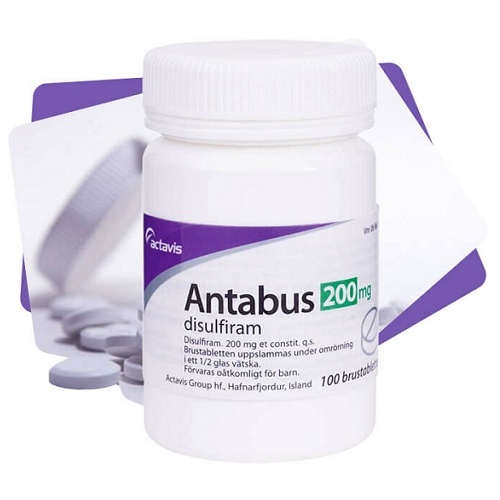
What Does Genuine Antabuse Look Like? Quality Check and Security Features

Original Antabuse or generic disulfiram tablets in the United States are:

  • Round, off-white tablets, often scored for splitting (check the brand for specifics)
  • Packaged in tamper-evident plastic or foil blisters, or amber pharmacy vials
  • Labeled with the product name, dosage, manufacturer, batch number, and expiration date
  • FDA-approved generics may feature QR codes or lot numbers to verify authenticity; confirm with your pharmacist
  • Packaging should always include a patient information leaflet in English

Warning: Unusually low prices, missing packaging, or foreign labeling may indicate a counterfeit or “grey market” product. Only obtain Antabuse from a licensed US pharmacy.

Online Pharmacy Safety Guide: How to Choose a Legitimate Pharmacy in the United States

  • Use only pharmacies accredited by the National Association of Boards of Pharmacy (NABP) or displaying the “VIPPS” (Verified Internet Pharmacy Practice Sites) seal.
  • Verify the pharmacy’s state license via your state’s Board of Pharmacy.
  • Beware of websites offering Antabuse without a prescription, especially those not requiring patient verification or consultation.
  • Avoid sellers with no physical US address or phone number, or those offering medications at prices far below the US market rate.
  • Check for secure ordering systems (https), clear privacy policies, and customer service contact information.
  • Report suspected unsafe or counterfeit sellers to the FDA’s MedWatch program.

Psychological Support: It’s Okay to Seek Help

Alcohol dependence is a common and treatable condition. Many people benefit from professional counseling, support groups, or open conversation with trusted individuals. You are not alone—support is available, and recovery is possible.

Questions Patients Often Ask doctor About Antabuse

How will I know if Antabuse is working for me?
Antabuse does not produce a noticeable effect unless you consume alcohol. Its main function is to act as a deterrent—so if you stay sober comfortably, it’s doing its job. We monitor success by your ability to maintain abstinence and your ongoing engagement in recovery.
Do I need to stay on Antabuse forever?
For most people, Antabuse is a temporary aid to help establish long-term sobriety. The duration varies—some take it for months, others longer. This is a decision we make together, based on your progress and risk of relapse.
What should I do if I accidentally consume something with alcohol?
Contact me or an emergency service immediately, especially if symptoms like flushing, chest pain, or shortness of breath occur. Always carry a list of products to avoid and double-check ingredients when in doubt.
Can Antabuse be used with other medications for alcohol dependence?
In most cases, it’s not combined with naltrexone or acamprosate, but may be used alongside psychological therapy. If you’re considering another medication, let’s discuss potential benefits and risks together.
If I relapse, does it mean Antabuse failed?
Not necessarily—relapse is part of recovery for many people. Antabuse is a tool; it cannot prevent relapse alone. We’d review your treatment plan and consider adjustments or additional support.
How do you monitor my progress while on Antabuse?
I schedule regular check-ins to discuss your well-being, side effects, lab results (mainly liver function), and overall progress. Open communication is key to safe and effective treatment.

Clinical Assessment by doctor: Who Benefits Most From Antabuse and When to Consider Alternatives

In my clinical judgment, Antabuse is best suited to individuals who are highly motivated to remain abstinent and have a strong support network. It can be particularly effective for those who have experienced repeated relapses and are looking for a concrete deterrent to drinking. Patients with stable medical and psychiatric status, good insight into their condition, and a willingness to engage in behavioral therapy tend to do well.

However, Antabuse is not appropriate for everyone. Patients with significant liver dysfunction, unstable cardiovascular conditions, or severe psychiatric disorders should avoid this medication. Caution is required in the elderly, those with cognitive impairment, and those who may have difficulty adhering to strict alcohol avoidance. In such cases, naltrexone or acamprosate may be preferable, as they do not rely on a deterrent reaction and can help reduce cravings.

Finally, the decision to use Antabuse should be revisited regularly, with consideration for evolving medical status, treatment goals, and support systems. Adjustments to therapy are sometimes necessary, and a collaborative approach yields the best outcomes.

Frequently Asked Questions About Antabuse in the United States

How effective is Antabuse for preventing alcohol use?
Antabuse is effective when used as part of a comprehensive treatment plan, especially in motivated individuals. Clinical studies show higher rates of abstinence compared to placebo, but success depends on adherence and ongoing support. (PubMed)
What is the usual Antabuse dosage?
The typical starting dose is 500 mg daily for 1–2 weeks, then maintained at 250 mg once daily. Always follow your prescriber’s instructions.
Do I need a prescription for Antabuse in the US?
Yes. Disulfiram is a prescription-only medication in the United States; you must consult a licensed healthcare provider to obtain it.
Can I order Antabuse online legally?
Yes, but only from licensed US pharmacies that require a valid prescription. Exercise caution—unregulated sites may sell counterfeit or unsafe products.
How much does Antabuse cost?
The typical monthly cost ranges from $50–$110 for generics, depending on insurance coverage, pharmacy, and location.
What should I do if I miss a dose?
Take the missed dose as soon as remembered unless it is almost time for your next dose. Do not double up. Continue your regular dosing schedule.
Can Antabuse be combined with other alcohol dependence medications?
Usually, it is used alone, not in combination with naltrexone or acamprosate. Always discuss all medications with your provider.
Are there any foods or drinks I must absolutely avoid?
Yes—avoid all products containing alcohol, including sauces, extracts, and certain desserts. Read labels carefully and consult your pharmacist if unsure.
How long does Antabuse stay in my system?
The deterrent effect can last up to 1–2 weeks after the last dose. Do not consume alcohol for at least 14 days after stopping the medication.
Are generic versions of Antabuse as safe as branded?
Yes. Generic disulfiram products are FDA-approved and must meet the same safety and efficacy standards as the original brand.

References

Let’s Prioritize Mental Health in the Workplace!