Subtotal $0.00

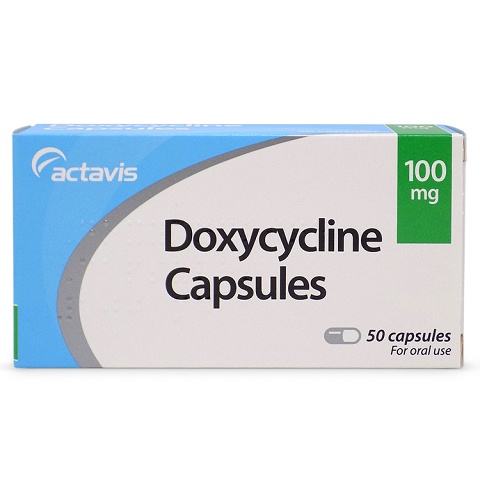
Doxycycline belongs to the tetracycline class of antibiotics. It works by inhibiting the bacterial 30S ribosomal subunit, blocking protein synthesis and thus preventing bacteria from growing and multiplying.1 Without this protein production, bacteria are unable to carry out vital functions, leading to their death or inability to spread.
Simple metaphor: Imagine trying to build a house but being denied access to your toolbox. Without the right tools (proteins), the construction (bacterial growth) grinds to a halt.
Doxycycline is bacteriostatic—it stops bacteria from multiplying but does not directly kill them. Your immune system then clears the infection. It is effective against a range of bacteria, including those causing Lyme disease, acne, chlamydia, and pneumonia. It does not work on viral infections, such as the common cold or flu.
Pharmacokinetic note: Doxycycline is absorbed well from the gastrointestinal tract, achieves peak blood levels in 1.5–4 hours, and is widely distributed throughout body tissues. About 40% is protein-bound, and elimination occurs mainly via the feces and, to a lesser extent, urine. The typical half-life is 18–22 hours.2
Does it require triggers? No. Doxycycline works independently of external factors, but absorption can be affected by food or certain minerals—see below.

