Subtotal $0.00

- Call: 888 331 3770
- Email: patient@jaycarementalhealthcenters.com
- Address: 8508 Loch Raven Boulevard Unit #E. Towson, MD 21286
This article is for informational purposes only. Medication use is only possible after consultation with a doctor. Self-medication can be dangerous to your health and life.
No, Glucophage (metformin) is a prescription-only medication in the United States. It cannot be obtained legally without a valid prescription from a licensed healthcare provider.
Glucophage contains metformin hydrochloride as its active ingredient, classified pharmacologically as a biguanide antihyperglycemic agent. Metformin acts primarily by inhibiting hepatic gluconeogenesis — the process by which the liver produces glucose. It does this through activation of the AMP-activated protein kinase (AMPK) pathway, leading to decreased expression of genes involved in gluconeogenesis. This reduces the amount of glucose released into the blood. Metformin also increases insulin sensitivity in muscle tissue by promoting glucose uptake and utilization through GLUT4 transporters, and it slows intestinal absorption of glucose, further stabilizing blood sugar levels.
Unlike sulfonylureas or insulin, metformin does not stimulate insulin secretion from the pancreas, so it rarely causes hypoglycemia on its own. The drug’s action depends on some residual insulin activity but typically does not require exogenous triggers to be effective.
Simplified metaphor: Think of your body as a city. The liver is like a factory constantly producing sugar to keep the city’s lights on. Glucophage helps turn down the factory’s production, making it easier for the city’s workers (insulin) to use up the sugar already present, and prevents too much new sugar from flooding the system.
In my practice, one of the most common misconceptions is that Glucophage will rapidly lower blood sugar or make patients feel noticeably better within days. Many new users expect results similar to insulin or fast-acting diabetes medications, but metformin’s primary benefit is gradual, steady improvement in glycemic control over weeks. Some patients judge its effectiveness by how they feel rather than by blood glucose monitoring, leading to misplaced frustration or premature discontinuation. Rarely do patients ask about what changes to expect in laboratory values or the ideal targets for their condition, though these are critical in assessing therapy success. It’s also unusual for patients to inquire about renal function monitoring or gastrointestinal side effects proactively, yet these are essential aspects of Glucophage safety. In reality, patience, regular follow-up labs, and realistic expectations are vital for a positive treatment outcome.
Glucophage is available in both immediate-release (IR) and extended-release (ER/XR) tablet forms in the United States. The standard starting dose for adults is 500 mg once or twice daily with meals, to minimize gastrointestinal side effects. The dose may be increased in 500 mg increments every 1–2 weeks, based on blood glucose response and tolerability, up to a maximum of 2,000–2,500 mg per day (varies by product and formulation).
For elderly patients (≥65 years) or those with mild renal impairment (eGFR 45–59 mL/min/1.73 m²), initial doses are typically lower, and careful monitoring of kidney function is required. Metformin is contraindicated if eGFR is below 30 mL/min/1.73 m².
The glucose-lowering effect is usually noticeable within 1–2 weeks, with full benefits seen after several weeks of consistent use.
Taking Glucophage with meals significantly reduces the risk of stomach upset and improves tolerability. High-fat meals may slightly delay absorption but do not significantly alter total absorption or effectiveness. Skipping meals may increase the risk of hypoglycemia when Glucophage is used in combination with other diabetes medications.
Alcohol: Excessive alcohol intake (more than 2 standard drinks per day for men and 1 per day for women) significantly increases the risk of lactic acidosis, a rare but serious adverse effect. As a rule, avoid heavy alcohol consumption while taking Glucophage. Occasional light alcohol use is generally considered safe in otherwise healthy adults, but always consult your doctor.
Grapefruit Juice: No clinically significant interaction between metformin and grapefruit juice has been documented.
Physical activity: Moderate exercise usually enhances the medication’s effects but caution is advised in strenuous conditions or if fasting.
| Product/Medication | Can It Be Combined? | Potential Consequences |
|---|---|---|
| Alcohol (excessive) | NO | Increased risk of lactic acidosis |
| Insulin | Yes (with caution) | Higher risk of hypoglycemia |
| Sulfonylureas | Yes (with caution) | Monitor for low blood sugar |
| ACE inhibitors | Yes | May enhance glucose lowering; monitor kidney function |
| Contrast agents (iodinated, for imaging) | NO (temporarily) | Risk of acute kidney injury and lactic acidosis |
| NSAIDs | With caution | Possible effect on kidneys |
| Grapefruit juice | Yes | No significant interaction |
Absolute contraindications:
Cardiovascular risk: Glucophage is generally safe in stable heart disease, but may be withheld in acute heart failure, recent myocardial infarction, or during episodes of hypoxia.
Mechanism of common side effects: Most gastrointestinal symptoms are due to increased intestinal glucose utilization and transient local irritation. Rare lactic acidosis occurs primarily in susceptible individuals (severe kidney or liver impairment, acute illness, or alcohol abuse).
What to do if side effects occur: Mild gastrointestinal symptoms often improve with continued use and dose adjustment. If you experience persistent vomiting, rapid breathing, severe weakness, or confusion, stop Glucophage and seek emergency care immediately — these may be signs of lactic acidosis.
| Drug | Onset Speed | Duration | Common Side Effects | Typical Price (per 500 mg tablet, USD) | Notes |
|---|---|---|---|---|---|
| Glucophage (Metformin) | Gradual (few days to 2 weeks) | 12-24 hours (IR), up to 24 hours (ER) | GI upset, B12 deficiency (long term) | $0.05 – $0.30 (generic) | Rare hypoglycemia |
| Glipizide (Sulfonylurea) | Fast (within hours) | Up to 24 hours | Hypoglycemia, weight gain | $0.10 – $0.70 | Not first-line in obesity |
| Sitagliptin (DPP-4 inhibitor) | Within days | 24 hours | Headache, URTI, joint pain | $5 – $7 | Low hypoglycemia risk |
| Empagliflozin (SGLT2 inhibitor) | Within days | 24 hours | Genital infections, urination | $10 – $15 | Cardiovascular/renal benefit |
Bottom line: Glucophage is the most cost-effective and widely recommended initial therapy, especially in overweight adults with type 2 diabetes, but may be combined with or replaced by other agents based on individual needs and tolerability.
| Parameter | Value |
|---|---|
| Active Ingredient | Metformin hydrochloride |
| Dose Strengths | 500 mg, 850 mg, 1000 mg (IR and ER) |
| Formulations | Immediate-release, Extended-release tablets |
| Administration | Oral, with meals |
| Storage | Room temperature (68–77°F, 20–25°C), dry place |
| Half-life | ~4–8 hours (plasma); up to 17 hours (ER) |
| Prescription Status | Prescription only (United States) |
After oral administration, metformin is absorbed mainly from the small intestine. Bioavailability is about 50–60%. Peak plasma concentrations are reached within 2–3 hours for IR and 6–8 hours for ER formulations. Metformin is not metabolized in the liver; it circulates unchanged and is excreted by the kidneys via tubular secretion and glomerular filtration. The plasma half-life is 4–8 hours (immediate-release) and may be extended to about 17 hours with ER forms. In patients with impaired kidney function, metformin can accumulate, increasing the risk for lactic acidosis.
Chronic kidney disease: Use only if eGFR is above 30 mL/min/1.73 m² and monitor function regularly. Do not use in severe impairment.
Liver disease: Generally avoided due to impaired lactate clearance.
Older adults (65+): Start at lower doses, monitor kidney function more frequently.
Pregnancy and breastfeeding: Not first-line; consult an endocrinologist or maternal-fetal medicine specialist.
Pediatrics: FDA approved for children 10 years and older with type 2 diabetes, but dosing and monitoring differ from adult populations.
Ability to drive or operate machinery: Glucophage alone does not affect alertness. Risk increases if combined with other agents causing hypoglycemia.
Fertility and family planning: No evidence of impairment at recommended doses; metformin is sometimes used in polycystic ovary syndrome (PCOS) to support ovulation.
When purchasing Glucophage from an online pharmacy:
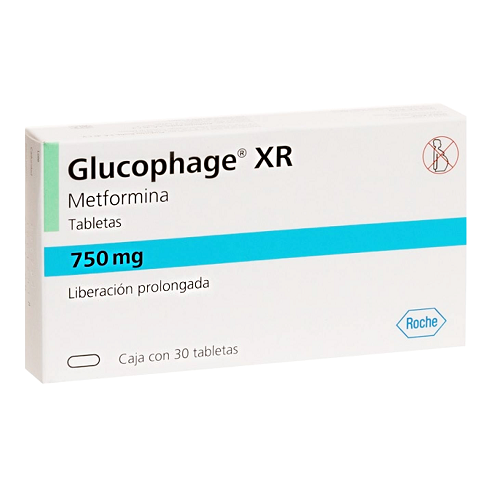
Authentic Glucophage: Manufactured by Merck Sante and other licensed manufacturers, original Glucophage tablets in the US are white, film-coated, oval or round (depending on strength), and may be marked with identifying numbers or letters. The packaging should show the manufacturer’s name, dosing information, National Drug Code (NDC), lot number, and expiration date. Newer packaging may feature tamper-evident seals, barcodes, or QR codes for verification.
Generics: Metformin is off-patent and available as generic from numerous US-based manufacturers. Generics must meet same FDA standards for active ingredient, strength, and efficacy. Inactive ingredients (excipients) may differ and could rarely trigger allergic reactions; consult your provider if you have allergies to dyes or fillers.
Counterfeit warning signs: Misspellings, inconsistent coloring, missing or blurred tablet markings, incomplete packaging, or unusually low price are all suspicious. Always purchase from accredited US pharmacies.
Symptoms of overdose may include severe nausea, vomiting, rapid breathing, confusion, and muscle pain—these are warning signs of lactic acidosis and require urgent care.
Type 2 diabetes is a common and manageable condition. Many people struggle with feelings of frustration, guilt, or isolation, but support is available. Consider discussing your experiences with family, joining a diabetes support group, or speaking with a mental health professional or diabetes educator.
In my clinical experience, Glucophage is ideally suited for adults newly diagnosed with type 2 diabetes who are overweight, have normal or mildly impaired kidney and liver function, and have not achieved adequate glycemic control through lifestyle modification alone. It’s also a valuable adjunct in combination with other oral agents or insulin when additional glucose lowering is needed. I tend to avoid or use metformin cautiously in those with advanced kidney or liver disease, frequent acute illnesses, or a history of alcohol misuse—these patients are at higher risk for lactic acidosis and may benefit more from alternative therapies. Extended-release formulations can be considered for those with persistent gastrointestinal side effects. For women with PCOS, metformin may also have a role in improving ovulatory function, but it is not FDA-approved solely for this indication. Ultimately, the decision is individualized, and regular monitoring is crucial for safety. If blood sugar remains uncontrolled despite maximum tolerated doses, or if serious side effects occur, reassessment and possible transition to other agents or insulin therapy may be necessary.
Let’s prioritize mental health in the workplace—together, we can
make a difference.
Let’s prioritize mental health in the workplace—together, we can
make a difference.

