No Widget Added

Please add some widget in Offcanvs Sidebar

Shopping cart

Subtotal $0.00

View cartCheckout

Buy Lasix at Low Price in the United States Online

  • Home
  • Buy Lasix at Low Price in the United States Online
  • Home/
  • Buy Lasix at Low Price in the United States Online
Buy Lasix at Low Price in the United States Online
Medical Disclaimer: This article is for informational purposes only. Medication use is only possible after consultation with a doctor. Self-medicating with Lasix (furosemide) without proper medical supervision can be dangerous or life-threatening.

Lasix (Furosemide) in the United States: The Complete Expert Guide for Safe, Effective Use in Edema

Direct Answer: Prescription Requirements and Legal Status

Lasix (furosemide) is a prescription-only medication in the United States. You cannot legally purchase it without a valid prescription from a licensed healthcare provider. This requirement is enforced by the Food and Drug Administration (FDA). Buying Lasix from unverified online sources or without a prescription puts you at serious risk for counterfeit products and legal consequences. Always consult a qualified doctor in the U.S. to assess your need for Lasix and obtain it safely through a licensed pharmacy.

Summary: Key Lasix Facts at a Glance

Parameter Key Facts (2026, United States)
Active Ingredient Furosemide
Main Use Treatment of edema (fluid retention) due to heart, liver, or kidney conditions
Onset of Action 30–60 minutes (oral), 5 minutes (IV)
Peak Effect 1–2 hours (oral)
Prescription Status Prescription required (Rx only)
Main Contraindication Severe electrolyte imbalance, anuria
Typical Cost (2026) $10–$40 per 30 tablets (generic); insurance may reduce cost
FDA Black Box Warning Yes: potent diuretic, excessive use can cause severe diuresis with water and electrolyte depletion

How Does Lasix Work? Pharmacology and Mechanism of Action Explained

Lasix (furosemide) is a loop diuretic. It works by inhibiting the sodium-potassium-chloride co-transporter (NKCC2) located in the thick ascending limb of the loop of Henle in the kidney. By blocking this transporter, Lasix prevents the reabsorption of sodium and chloride ions, causing more salt and water to be excreted in urine. The result: reduced fluid build-up in tissues (edema) and less fluid in the bloodstream, which can also lower blood pressure.

In addition, Lasix can increase the elimination of potassium, calcium, and magnesium ions. This potent water loss, also called “diuresis,” is why physicians use furosemide for conditions like heart failure, liver cirrhosis, kidney disease, and sometimes high blood pressure not responsive to other treatments.

Metaphor: Imagine your kidneys as a complex filter system. Lasix acts like opening a floodgate — letting water and certain salts quickly escape, reducing the ‘backlog’ of fluid in your body.

Pharmacokinetics: After oral intake, Lasix is absorbed in the gastrointestinal tract. It starts working in about 30–60 minutes, reaches peak effect at 1–2 hours, and its effects last up to 6–8 hours. It is mostly excreted unchanged in the urine, with a half-life of 0.5–2 hours in healthy adults (prolonged in kidney/liver impairment).

Expert Commentary from doctor

In my clinical experience, one of the most common misunderstandings with Lasix is the belief that “more is better.” Many patients assume that increasing the dose will lead to faster or greater relief from swelling or shortness of breath. However, excessive use often leads to dangerous electrolyte imbalances and dehydration, especially in older adults. I frequently see patients who, due to dietary salt intake or missed doses, experience unpredictable fluid shifts. It’s crucial to monitor weight, blood pressure, and lab values regularly and to recognize that Lasix is not a cure for underlying heart, liver, or kidney problems. It’s a tool to manage symptoms while addressing root causes with other therapies.

How Should Lasix Be Taken? Dosage and Administration Guidelines

  • Starting Dose (Adults): For edema, usually 20–40 mg by mouth once daily. Dose may be adjusted in increments of 20 mg based on response.
  • Maximum Dose: Generally should not exceed 600 mg per day for adults under medical supervision. Typical max outpatient dose is 80–160 mg daily.
  • Elderly Patients: Start at lower doses (e.g., 20 mg), as they are more sensitive to rapid fluid loss and electrolyte changes.
  • Children: Dosing is weight-based. Pediatric patients must be closely monitored by pediatricians.
  • Kidney/Liver Impairment: May require dose adjustments, slower titration, or more frequent lab monitoring. In advanced kidney failure, Lasix may be less effective.
  • Administration: Take tablets in the morning to avoid frequent nighttime urination. Can be taken with or without food, but always with a glass of water.
  • Splitting Tablets: Many generic tablets are scored and can be split; always check with your pharmacist to confirm.
  • Duration of Action: 6–8 hours (oral); 2 hours (IV). Multiple daily doses may be needed for persistent edema.

Never change your dose without speaking to your doctor. Abrupt discontinuation can cause fluid buildup (rebound edema).

Food, Alcohol, and Lifestyle: What Affects Lasix’s Effectiveness?

Food:
Taking Lasix with food may delay but does not reduce its overall absorption; the diuretic effect might start a bit later (by ~30 minutes).
Fatty Meals:
No significant effect on total absorption, but high-fat meals may modestly delay onset.
Alcohol:
Combining Lasix with alcohol is strongly discouraged. Both substances can cause dehydration, lower blood pressure, and increase risk of falls and fainting—potentially life-threatening, especially in older adults.
Grapefruit Juice:
No clinically significant interaction is documented with furosemide, unlike with some heart medications.
Caffeine:
May increase urination further. Monitor for dehydration.
Salt Intake:
Excessive salt in your diet may reduce the effectiveness of Lasix. Follow a low-salt diet if advised by your doctor.
Bottom Line: Lasix works best when taken consistently, with a stable diet and minimal alcohol.

Who Should Not Take Lasix? Absolute and Relative Contraindications

Type Condition Explanation
Absolute Anuria (no urine output) Lasix is ineffective and can worsen kidney injury.
Absolute Severe hypokalemia or hyponatremia (low potassium/sodium) Lasix may cause fatal heart rhythm disturbances.
Absolute Allergy to furosemide or sulfonamide drugs Risk of severe allergic reactions (anaphylaxis).
Absolute Hepatic coma or precoma Rapid fluid shifts may worsen brain function.
Relative Gout Lasix can raise uric acid levels.
Relative Diabetes mellitus May worsen blood sugar control.
Relative Severe renal impairment Ineffective at high levels; dose adjustments needed.
Relative Pregnancy and breastfeeding Use only if benefits clearly outweigh risks under physician guidance.
Relative Low blood pressure May cause life-threatening hypotension.

Never use Lasix within the first few days after a heart attack unless supervised by a cardiologist. Rapid fluid shifts can destabilize heart function.

What Side Effects Are Most Common with Lasix?

Frequency Side Effect Mechanism / Notes
Very Common (>10%) Frequent urination Expected from diuretic action
Common (1–10%) Dizziness, low blood pressure Due to fluid loss and reduced blood volume
Common Dehydration, thirst, headache Fluid and electrolyte loss
Common Low potassium (hypokalemia), muscle cramps Loss of potassium in urine
Common Increased uric acid (risk of gout) Kidney effect
Rare (<1%) Hearing loss, tinnitus High doses, especially IV or in kidney disease
Very Rare (<0.1%) Severe allergic reaction, Stevens-Johnson syndrome Requires immediate medical attention
Very Rare Pancreatitis, blood disorders Monitor for abdominal pain, easy bruising
If you experience severe dizziness, fainting, chest pain, rash, hearing changes, or unexplained bruising, stop taking Lasix and seek emergency medical care immediately.

Common Patient Mistakes Observed by doctor

  • Skipping potassium supplementation or lab checks: Some patients believe dietary intake is enough, but Lasix can cause sudden, severe potassium loss, which may trigger fatal heart arrhythmias. Always follow your doctor’s instructions for lab monitoring and supplements.
  • Taking Lasix late in the day: Leads to excessive nighttime urination, disturbed sleep, and increased fall risk—especially in elderly patients. Take early in the morning unless directed otherwise.
  • Ignoring weight gain or swelling after missing doses: Sudden weight gain may signal fluid overload or worsening heart failure. Don’t adjust your dose without physician guidance—call your doctor promptly.
  • Mixing Lasix with NSAIDs (like ibuprofen) without medical advice: Nonsteroidal anti-inflammatories can blunt the diuretic effect and further strain the kidneys. Always check with your healthcare provider before adding any new medication.
  • Self-adjusting dosage based on how you feel: Symptoms can change rapidly. Inconsistent dosing leads to dangerous fluid and electrolyte shifts.
  • Assuming all swelling is “water weight” and using Lasix unnecessarily: Edema can be from other causes (venous disease, lymphedema) where Lasix may not help and could make things worse.

Lasix vs. Alternatives: How Does It Compare?

Medication Onset Speed (oral) Duration Major Side Effects Typical Price (30 tablets, 2026) Prescription Needed?
Lasix (Furosemide) 30–60 minutes 6–8 hours Low potassium, dehydration, hearing loss (rare) $10–$40 (generic) Yes
Bumex (Bumetanide) 30–60 minutes 4–6 hours Similar: electrolyte loss, muscle cramps $20–$60 (generic) Yes
Demadex (Torsemide) 30–60 minutes 12–16 hours Similar: lower risk of hearing loss $30–$70 (generic) Yes
Hydrochlorothiazide 1.5–2 hours 6–12 hours Low potassium, increased uric acid $7–$30 (generic) Yes

Commentary: Lasix is faster-acting and more potent than thiazide diuretics, but may cause more pronounced electrolyte imbalances. Demadex (torsemide) lasts longer, which can be helpful for difficult-to-control edema. Price differences are minor for generics. The choice depends on your underlying condition, kidney function, and tolerance for side effects.

Questions Frequently Asked to doctor

Can I take Lasix with my blood pressure medication?
Yes, but it depends on the specific medication. Some combinations require close monitoring to avoid dangerously low blood pressure or kidney strain. Always tell your doctor about all medications you are taking.
If I miss a dose, what should I do?
If you remember within a few hours, take it as soon as possible. If it is almost time for your next dose, skip the missed dose—never double up. Monitor for swelling and report changes to your doctor.
Is it safe to use Lasix long-term?
Many patients need chronic therapy, but this requires regular blood tests to monitor kidney function and electrolytes. Frequent dose adjustments may be needed. Long-term use without supervision can be dangerous.
Can I drink alcohol while using Lasix?
It’s best to avoid alcohol, as it can increase the risk of dehydration, low blood pressure, and falls. If you do drink, limit intake strictly and discuss with your healthcare provider.
Will Lasix affect my ability to drive or operate machinery?
Lasix can cause dizziness, especially when standing up quickly. Use caution when driving until you know how it affects you. If you feel faint or unsteady, do not drive.
Should I change my diet while on Lasix?
Yes, usually you’ll need to limit salt intake and sometimes increase foods rich in potassium. Your doctor or dietitian will provide personalized advice.
How often do I need blood tests?
At the start, tests may be done weekly; once stable, every one to three months is common. More frequent checks are needed if you are elderly, have kidney disease, or if your doses change.

Lasix: Key Parameters Table

Active Ingredient Furosemide
Prescription Required in U.S.? Yes
Available Forms Oral tablets (20, 40, 80 mg), oral solution, IV injection
Onset Time (oral) 30–60 minutes
Peak Effect 1–2 hours
Duration of Action 6–8 hours
Bioavailability 40–70% (varies by patient)
Metabolism Minimal liver metabolism
Elimination Primarily excreted unchanged in urine
Half-life 0.5–2 hours (longer in kidney or liver disease)

How to Get Lasix Legally in the United States: Step-by-Step

  1. Consult a Doctor: Make an appointment with your primary care provider, a cardiologist, or nephrologist. Telehealth services are widely available in U.S. cities such as New York, Los Angeles, and Chicago.
  2. Medical Evaluation: The doctor will assess your symptoms, review your medical history, and may order blood tests or imaging to confirm the underlying cause of edema.
  3. Receive a Prescription: If appropriate, you’ll receive a digital or paper prescription. All telemedicine platforms in the U.S. must be licensed and can send prescriptions directly to your pharmacy.
  4. Pharmacy Fulfillment: Fill your prescription at a local pharmacy (e.g., CVS, Walgreens, Walmart) or a verified online pharmacy. Always verify that the online pharmacy is registered with FDA and displays the NABP “VIPPS” seal.
  5. Insurance and Cost: Most U.S. insurance plans, including Medicare and Medicaid, cover generic furosemide; co-pays vary by plan.
  6. Follow-Up Care: Schedule regular follow-ups for dose adjustments and lab monitoring.
Tip: Never purchase Lasix from websites that do not require a prescription—these are often sources of counterfeit or unsafe products.

How to Spot Counterfeit Lasix and What Are Generics?

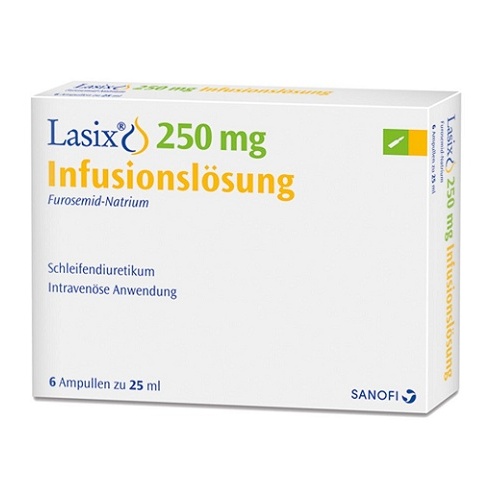
  • Original Lasix Packaging in the U.S.: Blister packs or bottles labeled “Lasix” with the manufacturer’s name (e.g., Sanofi), NDC number, and unique lot and expiration numbers. English-language labeling is required. Generic furosemide packaging will show the active ingredient name, manufacturer, and FDA approval details.
  • Security Features: U.S. packaging may include QR codes, holograms, or tamper-evident seals. Check for spelling errors, unusual fonts, or unclear printing.
  • Generics: FDA-approved generics must meet the same quality, dose accuracy, and safety standards as the original. Excipients (inactive ingredients) may differ, rarely causing allergies. Generics are much cheaper, often less than $15 for 30–90 tablets.
  • Counterfeit Warning Signs: Prices far below market rate, no prescription required, packaging in foreign languages, no FDA registration, or unfamiliar manufacturer names.
Myth vs Reality
Myth: Generics are less effective than branded Lasix.
Reality: FDA-approved generics are equally effective and safe if purchased from a legitimate U.S. pharmacy.

Compatibility Checklist: Lasix and Other Products

Product Can Be Combined? Consequences
ACE inhibitors (e.g., lisinopril) Yes, with caution Risk of low blood pressure and kidney dysfunction
NSAIDs (ibuprofen, naproxen) Caution Can reduce Lasix’s effect, may damage kidneys
Potassium supplements Yes, often recommended Helps prevent low potassium
Spironolactone Yes (sometimes combined) Balances potassium levels; must monitor electrolytes
Antibiotics (aminoglycosides) NO Increased risk of hearing loss
Alcohol Strongly discouraged Dehydration, low blood pressure, falls

What to Do in Case of Overdose? Step-by-Step Action Plan

  1. Stop taking Lasix immediately.
  2. Call 911 or local emergency services.
  3. Tell the medical team the exact amount and time of last dose.
  4. Monitor for symptoms: Severe weakness, confusion, fainting, rapid heartbeat, severe muscle cramps, or hearing changes.
  5. Do NOT try to “flush” your system or self-treat. Only medical professionals can safely restore fluid and electrolyte balance.

Special Populations: What If I Have Other Health Conditions?

  • Elderly: More sensitive to dehydration, confusion, and falls; start with low doses and monitor closely.
  • Pregnancy: Lasix is not recommended unless benefits outweigh risks. May affect fetal growth and amniotic fluid.
  • Breastfeeding: Lasix passes into breast milk in small amounts; can reduce milk supply—use only if prescribed.
  • Chronic kidney or liver disease: Dosing must be individualized. Risk of toxicity is higher; effect may be reduced in severe kidney failure.
  • Gout: Lasix increases uric acid; alternative diuretics may be preferable in patients with frequent gout attacks.
  • Driving: Possible dizziness or fainting, especially early in therapy or with rapid dose increases.
  • Fertility: No evidence that Lasix impairs fertility, but severe electrolyte imbalances can temporarily disrupt menstrual cycles or sperm function.

Insurance, Costs, and Access in the United States

  • Generic furosemide is covered by most insurance plans, Medicare, and Medicaid.
  • Retail prices (2026): $10–$40 for 30 tablets (20–40 mg strength). Branded Lasix is more expensive—usually $60–$90 for 30 tablets.
  • Price can be lower at large chains or through prescription savings programs.
  • Telehealth appointments may have variable costs; check with your insurer about coverage for medication management visits.
  • Always use a licensed pharmacy—never purchase from foreign or unverified sources.

Emotional Support: You’re Not Alone

Edema and related conditions are common and can be managed effectively with the right combination of medication, lifestyle, and regular follow-up. It’s normal to feel overwhelmed, especially at the start. Many patients benefit from discussing their concerns with family, a support group, or a healthcare professional. Remember, seeking help is a sign of strength, not weakness.

Professional Opinion of doctor

As a practicing physician, I find that Lasix (furosemide) is most beneficial for patients with fluid overload due to heart failure, chronic kidney disease, or liver cirrhosis. Its rapid onset and high potency make it the diuretic of choice for acute management of swelling and for relieving shortness of breath in these settings. That said, it’s not a medication to be used lightly. The risks of dehydration, kidney injury, and severe electrolyte imbalance are real—especially in the elderly, those with poor appetite, or those taking multiple other medications. In some cases, alternatives like torsemide or adding a potassium-sparing diuretic may offer better long-term stability with fewer side effects. I always emphasize the importance of regular lab testing, stable dietary habits, and open communication with the care team. Lasix is a valuable tool but must be integrated into a comprehensive, individualized treatment plan—not used as a stand-alone solution.

FAQ: Lasix in United States

Can I get Lasix without a prescription in the U.S.?
No. Federal law requires a valid prescription for Lasix. Buying it without one is illegal and unsafe.
How quickly will Lasix work for swelling?
Oral Lasix usually starts working within 30–60 minutes, with peak effect at 1–2 hours.
Is generic furosemide as safe as Lasix?
Yes, FDA-approved generics are equivalent in safety and effectiveness.
What should I do if I feel dizzy after taking Lasix?
Sit or lie down immediately. Contact your doctor if symptoms persist or worsen.
Is long-term use of Lasix dangerous?
Not if properly monitored. Regular blood tests are essential to detect potential side effects.
Can Lasix help with high blood pressure?
It may be used for hypertension, particularly in patients with kidney issues, but is not a first-line choice for all.
How can I identify real vs fake Lasix?
Only buy from licensed U.S. pharmacies. Counterfeits often lack proper labeling and may have unusual packaging or very low prices.
What happens if I stop Lasix suddenly?
Rapid rebound fluid retention and worsening of underlying disease can occur. Always taper under medical supervision.

References

Bottom line: Lasix is a powerful and effective medication when used under close medical supervision. It treats symptoms but not the underlying cause of fluid buildup. For your safety, always consult a U.S.-licensed healthcare provider before starting, stopping, or changing your dose—and never purchase from unverified sources. If you have questions about other causes of edema or alternative therapies, ask your doctor or seek referral to a U.S.-based specialist experienced in fluid management.

Let’s Prioritize Mental Health in the Workplace!