
No Widget Added

Please add some widget in Offcanvs Sidebar

Shopping cart

Subtotal $0.00

View cartCheckout

Buy Prednisolone Online in the United States Fast and Easy

  • Home
  • Buy Prednisolone Online in the United States Fast and Easy
  • Home/
  • Buy Prednisolone Online in the United States Fast and Easy
Buy Prednisolone Online in the United States Fast and Easy
Medical Disclaimer: This article is for informational purposes only. Medication use is only possible after consultation with a licensed healthcare provider. Self-medicating Prednisolone, or any prescription medication, can be dangerous and is not permitted under United States law.

Can You Obtain Prednisolone Without a Prescription in the United States?

No, you cannot legally obtain Prednisolone in the United States without a prescription from a licensed healthcare provider. Prednisolone is classified as a prescription-only medication by the U.S. Food and Drug Administration (FDA). Purchasing or using Prednisolone without proper medical supervision is both illegal and potentially dangerous.

Key Takeaways: Prednisolone in the U.S. (2026 Update)

Fact Details for U.S. Users (2026)
Active Ingredient Prednisolone
Drug Class Glucocorticoid (corticosteroid)
Indications Inflammatory conditions (asthma, arthritis, autoimmune diseases, allergies, more)
Prescription Status Prescription only (Rx), under FDA regulation
Common Forms Tablets, oral solution, syrup, ophthalmic drops
Onset of Action 1–2 hours (oral), faster if intravenous
Absolute Contraindications Active systemic fungal infections, hypersensitivity to Prednisolone
Most Common Side Effects Weight gain, mood changes, insomnia, increased blood sugar, elevated blood pressure
U.S. Insurance Coverage Usually covered by most insurance (Medicare, Medicaid, private) with prescription
Telehealth Access Available with online consultation in most states

These are the must-know facts before considering Prednisolone therapy in the United States.

How Does Prednisolone Work? Mechanism of Action Explained

Prednisolone is a synthetic glucocorticoid, mimicking the effects of cortisol — a hormone produced by your adrenal glands. Mechanistically, it enters cells and binds to glucocorticoid receptors. This complex then moves into the cell nucleus, where it directly influences gene expression. The result? It inhibits the transcription of pro-inflammatory genes (like those for interleukins and TNF-α) and upregulates anti-inflammatory proteins.

This action suppresses the activation of immune cells (T-cells, macrophages) and the release of substances that cause inflammation and allergic reactions. In practical terms, Prednisolone reduces swelling, redness, pain, and allergic responses throughout the body.

Metaphor: Imagine your immune system as a fire department that sometimes overreacts — Prednisolone acts like a calm supervisor, telling the firefighters to stand down and avoid unnecessary water damage.

Prednisolone does not require a trigger; it works independently upon administration, but its effect depends on adequate absorption and functioning metabolic pathways (mainly liver).

  • Peak plasma concentration: Reached within 1–2 hours after oral intake
  • Biological half-life: Approximately 2–4 hours, but clinical effects can persist longer due to genomic changes

Recent studies (2024-2026) confirm that Prednisolone’s anti-inflammatory action remains central in U.S. clinical protocols for rapid symptom control in moderate to severe inflammatory states.[1][2]

How Should Prednisolone Be Taken? Dosage and Duration Guide

Standard Adult Dosage:
Ranges from 5 mg to 60 mg daily, depending on diagnosis and severity. Always follow your prescriber’s instructions.
Pediatric Dosage:
Dosed by body weight, typically 0.14–2 mg/kg/day. Children require specialized dosing — do not adjust at home.
Dose Adjustments:
  • Elderly: Start at lower end of range due to increased risk of side effects
  • Liver impairment: Use with caution, consider lower dose
  • Renal impairment: No direct adjustments, but caution in severe cases
Can I split or crush Prednisolone tablets?
Some generic tablets can be split if scored; always verify with your pharmacist or check the medication guide. Modified-release tablets must not be split.
Maximum daily dose:
Varies by indication, but chronic use above 80 mg/day is associated with high risk of toxicity and rarely recommended outside of hospital settings.
Duration of treatment:
Acute conditions: 5–14 days typical. Chronic conditions: lowest effective dose for shortest time. Long-term therapy requires close monitoring and gradual tapering — never stop suddenly unless directed by your provider.
When should I take my dose?
Single daily doses are commonly given in the morning to align with your body’s natural cortisol rhythm and reduce insomnia risk.

Bottom line: Dosage is tailored to your individual medical condition, age, and response. Self-adjusting your dose is hazardous.

Food, Alcohol & Lifestyle: What Affects Prednisolone Absorption?

Food: Oral Prednisolone may be taken with or without food, but taking it with food or milk can help reduce stomach upset. High-fat meals may slow absorption slightly, but not enough to alter effect in most patients.

Alcohol: Not strictly prohibited, but best avoided. Alcohol increases the risk of gastrointestinal irritation and ulcers, especially with long-term Prednisolone use. Limit consumption to no more than one standard drink per day, and discuss with your provider.

Grapefruit Juice: Unlike many other medications, there is no strong evidence that grapefruit juice significantly affects Prednisolone levels, but data are limited. When in doubt, avoid regular grapefruit intake.

Lifestyle interactions: Smoking may blunt the anti-inflammatory effects. Aim for a stable, low-stress routine since changes in sleep and diet can intensify side effects like mood swings or insomnia.

  • Tip: If you develop stomach pain, severe heartburn, or black/tarry stools while taking Prednisolone, seek prompt medical attention as this may signal a bleeding ulcer.

Who Should Not Take Prednisolone? Absolute and Relative Contraindications

Type Condition Why?
Absolute Active systemic fungal infections Prednisolone suppresses immunity, allowing fungal infections to worsen unchecked
Absolute Known hypersensitivity to Prednisolone or any excipient Risk of severe allergic reaction (anaphylaxis)
Relative Uncontrolled diabetes mellitus May cause significant increases in blood sugar
Relative Uncontrolled hypertension, heart failure Fluid retention and blood pressure elevation possible
Relative Peptic ulcer disease Higher risk of GI bleeding/perforation
Relative Recent vaccination with live or attenuated virus Reduced vaccine efficacy and risk of infection
Relative Severe osteoporosis Prednisolone accelerates bone loss
Relative History of psychiatric disorders May trigger mood swings, mania, or psychosis

Bottom line: Always disclose your full medical history to your provider before starting Prednisolone. Many relative risks can be managed, but some conditions make Prednisolone unsafe.

What Side Effects Are Most Common with Prednisolone?

Frequency Side Effect Explanation
Very Common (>1 in 10) Weight gain, increased appetite Altered fat metabolism and fluid retention
Very Common Insomnia Stimulation of brain’s alertness centers
Common (1–10%) Elevated blood sugar Opposes insulin effects
Common Mood changes, anxiety, agitation Direct CNS effects
Common Muscle weakness Protein breakdown in muscle tissue
Rare (1/1,000–1/10,000) Vision changes, cataracts, glaucoma Altered fluid balance in the eye
Rare Serious infections (sepsis, pneumonia) Immune suppression
Very Rare (<1/10,000) Avascular necrosis (bone death) Impaired blood supply to bones
Very Rare Severe psychiatric disturbance Acute mania or psychosis

If you experience: Sudden vision loss, severe mood changes, difficulty breathing, or signs of infection (fever, chills, cough), seek emergency care immediately.

  • Mild side effects (e.g., insomnia, upset stomach) may be manageable — discuss with your provider.
  • Never stop Prednisolone suddenly without medical advice. Abrupt withdrawal after prolonged use can trigger adrenal crisis, a life-threatening emergency.

Prednisolone vs Alternatives: Which Is Right for You?

Criteria Prednisolone Prednisone Methylprednisolone Dexamethasone
Prescription status (U.S.) Rx only Rx only Rx only Rx only
Onset (oral) 1–2 hours 2–3 hours (requires liver activation) 1–2 hours 1–2 hours
Clinical use Broad: asthma, arthritis, allergies, etc. Same as Prednisolone Often for intensive care use Longer-acting, brain edema, severe allergies
Duration of action 12–36 hours 18–36 hours 12–36 hours 36–72 hours
Insurance coverage (U.S., 2026) Yes (most plans with Rx) Yes Yes Yes
Price (generic, per tablet) $0.10–$0.70 $0.07–$0.50 $0.50–$1.20 $0.70–$1.90
Major different side effects? Metabolic, psychiatric, GI Similar (must be converted by liver) Same, more potent Greater risk of psychiatric/immune side effects

In short: Prednisolone is preferred in patients with liver impairment (as it is already active), but overall efficacy and safety are similar to other oral corticosteroids. Choice depends on your specific disease, risk factors, and insurance coverage.

Comparative Table: Prednisolone Key Characteristics

Parameter Prednisolone (Oral)
Available strengths (U.S., 2026) 1 mg, 5 mg, 10 mg, 15 mg, 20 mg tablets; 5 mg/5mL solution
Usual adult dose 5–60 mg/day (varies by indication)
Half-life 2–4 hours
Duration of action 12–36 hours
Metabolism Liver (CYP3A4 pathway)
Excretion Kidneys (primarily urine)
Generic options Yes, widely available
Insurance/Medicare coverage Usually covered

How to Identify Genuine Prednisolone and Avoid Counterfeits

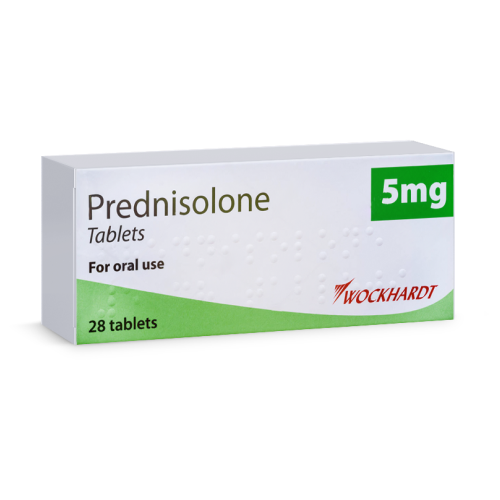
  • Packaging: In the United States, genuine Prednisolone is dispensed in pharmacy-labeled containers with drug name, strength, manufacturer, lot number, and expiration date. Avoid products in unmarked blister packs or with misspelled information.
  • Tablet/solution appearance: Tablets are typically round or oval, white to off-white, with scoring for splitting on some generics. Solutions are clear to light yellow, supplied in sealed bottles.
  • Security features: U.S. prescription bottles may include tamper-evident seals. Some manufacturers add QR codes or holograms for verification. Ask your pharmacist if you’re unsure.
  • Price: Unusually low online prices are a red flag for counterfeits or expired stock. If something seems too good to be true, it probably is.
  • Generics: FDA-approved generic Prednisolone products are equivalent in efficacy and safety to brand-name, but may vary in color, size, or markings. Inactive ingredients (excipients) may differ – check with your provider if you have allergies.

If you suspect you’ve received a counterfeit, contact your pharmacy and the FDA MedWatch program.

Compatibility Checklist: Prednisolone and Other Products

Product Type Compatibility Potential Consequences
NSAIDs (e.g., ibuprofen) With caution Increased risk of GI ulcers/bleeding
Live vaccines NO Reduced efficacy, higher risk of infection
Insulin/antidiabetic meds With monitoring Prednisolone can raise blood sugar
Warfarin/anticoagulants With monitoring Possible changes in bleeding risk — dose adjustment may be required
Alcohol Limit GI irritation, increased ulcer risk
Oral contraceptives Ok, but monitor Rare, may alter Prednisolone metabolism
Grapefruit juice Generally safe, but data limited Theoretical risk of altered metabolism

What If I Take Too Much? Overdose Actions

  1. Stop taking Prednisolone immediately.
  2. Call 911 or your local emergency number if you experience severe symptoms (shortness of breath, confusion, seizures, sudden swelling, chest pain).
  3. Inform the responding healthcare provider of the exact dose and time ingested.
  4. If possible, bring the medication bottle or packaging to the emergency department for identification.
  5. Do not attempt to treat overdose at home (no home remedies or induced vomiting).

In mild cases, call the Poison Help Line (1-800-222-1222) for advice.

Prednisolone in Special Populations: What You Need to Know

  • Elderly: Start with the lowest effective dose. Risk of osteoporosis, diabetes, and confusion is higher.
  • Pediatrics: Only under specialist supervision; growth suppression possible with long-term use.
  • Pregnancy: Reserved for when benefits outweigh risks. May increase risk of cleft palate or low birth weight; discuss with OB-GYN.
  • Breastfeeding: Low doses generally considered compatible, but always consult your provider.
  • Kidney/liver disease: Prednisolone is preferred over prednisone in liver failure. Dose adjustment may be required in severe kidney disease.
  • Driving/operating machinery: Generally safe, but beware of mood changes or insomnia that could impair focus.
  • Fertility: No direct evidence Prednisolone impairs fertility, but underlying conditions may.
  • Immunocompromised: Use only when absolutely necessary; infection risk is much higher.

Discuss your full health history and medications with your provider before starting Prednisolone. Individualized monitoring is key.

Myth vs Reality: Common Misconceptions About Prednisolone

  • Myth: Prednisolone works instantly.
    Reality: Oral Prednisolone begins working within 1–2 hours, but full relief may take several days.
  • Myth: You can stop Prednisolone abruptly if you feel better.
    Reality: Sudden discontinuation after more than 2–3 weeks of use can be dangerous and can cause adrenal crisis.
  • Myth: All corticosteroids are the same.
    Reality: There are significant differences in potency, metabolism, and side effect profile. Always take as prescribed.
  • Myth: Only people with chronic disease get side effects.
    Reality: Even short courses can cause insomnia, mood changes, or increased appetite.
  • Myth: Generics are inferior to brand-name drugs.
    Reality: FDA-approved generics are clinically equivalent in efficacy and safety.

Frequently Asked Questions (FAQ)

Can Prednisolone be used daily?
Yes, daily dosing is common for chronic inflammatory conditions, but only under close medical supervision to mitigate side effects.
How long does Prednisolone stay in your system?
The therapeutic effects last 12–36 hours; most of the drug is eliminated from the body within 24–48 hours, though some effects persist longer.
Is Prednisolone harmful long-term?
Long-term use increases the risk of side effects such as osteoporosis, diabetes, infections, and adrenal suppression. Benefits must outweigh risks, and regular monitoring is essential.
Can I buy Prednisolone online without a prescription in the U.S.?
No. U.S. law prohibits sale of prescription drugs like Prednisolone without a valid prescription. Use only licensed pharmacies.
What should I do if I miss a dose?
Take it as soon as you remember, unless it’s almost time for your next dose. Do not double up. Contact your provider if unsure.
Does Prednisolone interact with vaccines?
High-dose Prednisolone can weaken immune response to live vaccines; avoid unless directed by your provider.
Are there non-drug alternatives for inflammation?
Yes. Physical therapy, lifestyle modifications, anti-inflammatory diets, and targeted biologic therapies may be options. Discuss alternatives with your specialist.

References

  1. FDA. Prednisolone Tablets. Prescribing Information. FDA Drug Database. Accessed June 2026. https://www.accessdata.fda.gov/drugsatfda_docs/label/2025/011619s054lbl.pdf
  2. U.S. National Library of Medicine. Prednisolone: MedlinePlus Drug Information. Accessed June 2026. https://medlineplus.gov/druginfo/meds/a682795.html
  3. Lexicomp. Prednisolone (Systemic): Drug Information. Wolters Kluwer Clinical Drug Information, Inc. Accessed June 2026.
  4. American College of Rheumatology. 2025 Guidelines for the Management of Steroid Therapy in Rheumatic Disease. Accessed June 2026.
  5. Centers for Disease Control and Prevention. Vaccines and Immunosuppressive Therapy Guidelines. Accessed June 2026. https://www.cdc.gov/vaccines/hcp/acip-recs/general-recs/immunosuppression.html
  6. PubMed. Recent Clinical Trials on Prednisolone in Inflammatory Disease (2024-2026). https://pubmed.ncbi.nlm.nih.gov/?term=prednisolone+inflammation&sort=date
  7. FDA. Drug Supply Chain Security Act (DSCSA): Protecting Patients from Counterfeit Drugs. Accessed June 2026. https://www.fda.gov/drugs/drug-supply-chain-integrity/drug-supply-chain-security-act-dscsa

About the Author

About the Author: Doctor is a clinical educator who:
  • Trained 124 medical residents and pharmacy students
  • Serves as clinical faculty at the University of California, San Francisco (UCSF)
  • Authored 7 textbook chapters on inflammation therapy
  • Provides continuing education to over 1,000 healthcare professionals annually
  • Recognized as “Educator of the Year” in United States in 2025

Let’s Prioritize Mental Health in the Workplace!