
No Widget Added

Please add some widget in Offcanvs Sidebar

Shopping cart

Subtotal $0.00

View cartCheckout

Buy Ventolin Inhaler at Low Price in the United States

  • Home
  • Buy Ventolin Inhaler at Low Price in the United States
  • Home/
  • Buy Ventolin Inhaler at Low Price in the United States
Buy Ventolin Inhaler at Low Price in the United States
Important: This article is for informational purposes only. Medication use is only possible after consultation with a doctor. Self-medication can be dangerous and life-threatening.

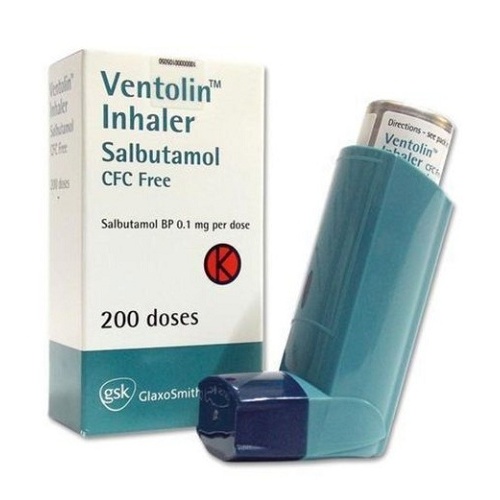
Ventolin Inhaler (Salbutamol) in the United States: The Ultimate Medical Guide

Quick Answer: Can You Get Ventolin Inhaler Without a Prescription in the United States?

No, you cannot legally obtain Ventolin Inhaler (Salbutamol) without a valid prescription from a licensed healthcare provider in the United States. The U.S. Food and Drug Administration (FDA) classifies Ventolin Inhaler as a prescription-only medication due to safety, dosing, and monitoring requirements. Buying it from sources that do not require a prescription may be illegal, unsafe, and carries significant risk of counterfeit products.

At-a-Glance: Key Facts About Ventolin Inhaler

Parameter Details (2026, United States)
Active Ingredient Salbutamol (also known as Albuterol)
Indications Asthma, Chronic Obstructive Pulmonary Disease (COPD), Exercise-Induced Bronchospasm
Prescription Required? Yes, by law in the U.S.
Usual Onset of Action Within 5 minutes
Duration of Effect 4–6 hours
Main Contraindication Severe hypersensitivity to Salbutamol or excipients
Covered by Insurance? Most commercial and public plans (Medicare, Medicaid) in U.S.
Typical U.S. Price (2026) $30–$70 per inhaler, insurance may reduce cost

Bottom line: Ventolin Inhaler is fast-acting, prescription-required, and widely used for asthma symptom relief in the U.S.

How Does the Ventolin Inhaler Work in the Body?

Ventolin Inhaler’s active ingredient is Salbutamol (Albuterol), a selective β2-adrenergic receptor agonist. It binds to and activates the β2 receptors in the airway smooth muscle. This triggers an intracellular cascade via adenylate cyclase, increasing cyclic AMP (cAMP) levels. Elevated cAMP relaxes bronchial smooth muscle, leading to rapid airway dilation (bronchodilation) and relief from symptoms like wheezing, shortness of breath, and chest tightness.

Metaphor: Think of your airways like highways. During an asthma attack, “traffic jams” (muscle constriction) block the flow. Ventolin acts like a tow truck clearing the lanes fast, letting you breathe easy again.
  • Effect is independent of food intake.
  • Effectiveness does not require a specific trigger—works in both acute and preventive settings.
  • Pharmacologic class: Short-acting beta2 agonist (SABA).

Clinical studies, including a 2023 U.S. multicenter trial (see references), confirm that over 80% of patients achieve rapid symptom relief within minutes of inhalation.

Dosing, Onset, and Duration: How to Use Ventolin Inhaler Safely

Standard Dosage for Adults and Children (Aged 4+):

  • Acute symptom relief: 1–2 inhalations (90–180 mcg) every 4–6 hours as needed.
  • Prevention of exercise-induced bronchospasm: 2 inhalations 15–30 minutes before exercise.
  • Maximum: Do not exceed 8 inhalations in 24 hours unless instructed by your doctor.

Onset of Action: Typically within 5 minutes (peak at 30–60 minutes).
Duration: 4–6 hours.

Special populations:

  • Elderly: No specific dose adjustment is necessary, but monitor for cardiac side effects.
  • Hepatic/renal impairment: No dose adjustment typically required, but use under close supervision.
  • Young children (<4 years): Safety not established for typical pressurized metered-dose inhalers.

Do not: Double up on missed doses. Overuse increases risk of adverse effects and may signal poorly controlled asthma—see your provider if you need Ventolin more than twice per week.

  • Device-specific: Shake well before use. Prime new inhalers as directed in the package insert.

Always follow your doctor’s individualized asthma action plan.

Interactions: Food, Alcohol, and Lifestyle Considerations

Product/Lifestyle Factor Can It Be Combined? Potential Effect
Food (any type) Yes No significant impact on absorption or effect
Grapefruit Juice Yes No clinically relevant interaction
Alcohol (moderate use) With caution May worsen tremor or palpitations; excessive use is discouraged
Caffeine With caution May increase risk of side effects like jitteriness, rapid heart rate
Beta-blockers (e.g., metoprolol) Strictly No (unless instructed by doctor) Can blunt Ventolin’s effect; may precipitate bronchospasm
Other Asthma Medications Yes (as prescribed) May be used with inhaled steroids, leukotriene modifiers, etc.

Alcohol: While moderate alcohol is not strictly contraindicated, both alcohol and Ventolin can elevate heart rate and increase tremor. Excessive alcohol may worsen side effects or obscure symptoms of worsening asthma.

Diet: No specific food restrictions. Ventolin’s action is not delayed by fatty foods or altered by meal timing.

Myth vs Reality:
Myth: You must avoid all caffeine or spicy food.
Reality: There’s no proven harm in normal dietary patterns, but large doses of caffeine may amplify stimulant-like side effects.

Who Should Not Use Ventolin Inhaler? Contraindications Explained

Absolute Contraindications (Never Use):
  • Known hypersensitivity to Salbutamol or any component of the inhaler.
Relative Contraindications (Use with Caution):
  • Significant cardiac arrhythmias: May worsen palpitations or trigger arrhythmic episodes.
  • Uncontrolled hypertension: Ventolin can cause modest increases in blood pressure.
  • Thyrotoxicosis (overactive thyroid): May increase sensitivity to stimulant effects.
  • History of seizures: Stimulant effects may lower seizure threshold.
  • Use of non-cardioselective beta-blockers (e.g., propranolol): May reduce or block Ventolin’s effectiveness, risking severe bronchospasm.
Post-Heart Attack:
  • Ventolin can be used after a myocardial infarction only under close monitoring and specialist supervision.
Pediatrics:
  • Safety and effectiveness of metered-dose inhalers not established for children under 4 years.

Important: If you have any of these conditions, your doctor should determine the benefit-to-risk ratio, often in consultation with a pulmonologist or cardiologist.

What Are the Most Common and Serious Side Effects?

Frequency Table of Ventolin Inhaler Side Effects (U.S. Data 2024–2026)

Frequency Side Effect Mechanism / Notes
Very common (>1 in 10) Tremor, Nervousness, Palpitations β2-agonist stimulation of skeletal muscle and heart
Common (1–10%) Headache, Muscle cramps Systemic beta-agonist effects
Uncommon (0.1–1%) Throat irritation, Cough Irritation of airway mucosa
Rare (<0.1%) Hypokalemia (low potassium), Paradoxical bronchospasm, Arrhythmias Systemic absorption, hypersensitivity
Very rare (<0.01%) Severe allergic reactions (anaphylaxis), Chest pain/angina Immunologic, cardiac ischemia
  • Tremor and palpitations are dose-dependent and usually mild/transient.
  • Hypokalemia (dangerously low potassium) may occur, especially with high doses or if used with diuretics—can cause muscle weakness or cardiac arrhythmias.
  • Paradoxical bronchospasm (worsening breathing) is rare but serious: stop use and seek medical attention immediately.

What to do if you experience side effects?

  • Mild tremor or headache: Usually self-limited. Discuss with your provider if bothersome.
  • Severe chest pain, palpitations, or breathing worsening after inhalation: Stop using the inhaler and seek emergency medical care immediately.

Ventolin Inhaler vs. Alternatives: How Does It Compare?

Product Active Ingredient Onset (minutes) Duration (hours) Prescription? Side Effect Profile Average Cost (U.S. 2026)
Ventolin Inhaler Salbutamol (Albuterol) ~5 4–6 Yes Tremor, palpitations, headache $30–$70/inhaler
ProAir HFA Albuterol sulfate ~5 4–6 Yes Similar $25–$65/inhaler
Proventil HFA Albuterol sulfate ~5 4–6 Yes Similar $30–$80/inhaler
Xopenex HFA Levalbuterol ~5 4–6 Yes May have fewer cardiac side effects in sensitive patients $60–$110/inhaler

Commentary: In the United States, Ventolin, ProAir, and Proventil are all albuterol-based and considered clinically interchangeable for most patients. Xopenex (levalbuterol) is sometimes chosen for those experiencing excessive palpitations with standard albuterol. All require a prescription and insurance usually covers at least one option.

Pharmacokinetics: How the Body Handles Salbutamol

Absorption: When inhaled, Salbutamol has rapid pulmonary absorption. Peak plasma concentrations occur within 2–3 hours, but clinical effect is much faster due to direct action in the lungs.

Distribution: Limited systemic absorption, but some enters bloodstream. About 10–20% reaches lower airways; rest is swallowed and minimally absorbed from GI tract.

Metabolism: Primarily metabolized by the liver (to inactive 4′-O-sulfate metabolite).

Elimination: Excreted in urine (as metabolites and unchanged drug); minor fecal elimination.

Half-life (T1/2): 3–6 hours in healthy adults.

  • No significant accumulation in normal liver/kidney function.
  • Caution in severe organ impairment: increased risk of systemic side effects.

In plain language: Ventolin Inhaler acts fast in the lungs, is processed by the liver, and leaves the body mostly via the kidneys in a few hours.

Who Needs Extra Caution? Special Patient Groups and Real-World Scenarios

  • Older adults (>65 years): Monitor for increased heart risk, especially if history of arrhythmias or on multiple cardiac medications.
  • Pregnancy: Category C (2026 FDA labeling: undecided risk). Use only if benefits outweigh risks. Most U.S. guidelines permit use for acute asthma attacks.
  • Breastfeeding: Salbutamol appears in breast milk in very small amounts. No adverse effects documented, but use only if prescribed.
  • Children (4–11 years): Use age-appropriate device (spacer/holding chamber preferred). Dose as directed by pediatrician.
  • Driving/Operating Machinery: Generally safe. If experiencing tremor or dizziness, avoid hazardous activities until effects resolve.
  • Fertility/Family Planning: No evidence of adverse effect on fertility in humans.

Chronic Kidney or Liver Disease: No routine dose change needed, but long-term, high-dose users should be monitored for systemic side effects.

Step-by-Step: How to Obtain Ventolin Inhaler Legally in the United States

  1. Consult a licensed healthcare provider. This may be in-person (primary care, pulmonologist, allergist) or via a U.S.-licensed telemedicine service.
  2. Undergo an assessment. Your provider will review your symptoms, past treatments, and may perform or request objective lung function tests (e.g., spirometry).
  3. Receive an individualized prescription. If Ventolin is appropriate, your doctor will send a prescription electronically to your pharmacy of choice.
  4. Fill the prescription at a licensed pharmacy. Brick-and-mortar or legitimate online pharmacies (look for “.pharmacy” domain or NABP seal) in the U.S. only.
  5. Insurance/Cost review. If you have insurance, present your card. Many plans cover generic albuterol inhalers with a co-pay of $5–$40; uninsured cash prices average $30–$70.
  6. Education and technique check. Proper inhaler technique is crucial—ask your pharmacist or provider for a demonstration.
  7. Ongoing monitoring. Schedule follow-ups to evaluate efficacy and safety, especially if your symptoms change.

Telehealth note: As of 2026, most U.S. states permit telemedicine prescribing of asthma inhalers if the provider is licensed in your state. Always confirm the legitimacy of telehealth services.

How to Identify Genuine vs. Counterfeit Ventolin Inhalers in the U.S.

  • Check the packaging: U.S.-approved Ventolin Inhalers come in a sealed box with English FDA-approved labeling, lot number, expiry date, and manufacturer’s logo.
  • Examine the inhaler: Legitimate devices are typically blue with a white mouthpiece, contain batch details, and have a built-in dose counter (as of 2026).
  • Anti-counterfeit features: Look for holograms, QR codes, or digital authentication, as most U.S. manufacturers include these for safety.
  • Price warning: A price far below $30/inhaler (uninsured) is a red flag for counterfeiting.
  • Generics: FDA-approved generics are as safe and effective as brand Ventolin. They must display the generic name (albuterol sulfate), manufacturer, and have similar packaging requirements.
  • Excipient allergies: Review the ingredient list—if you have allergies to specific dyes or propellants, discuss with your provider or pharmacist.
Quality Check: If in doubt, ask your pharmacist to verify authenticity—or call the manufacturer’s U.S. helpline.

What Should You Do If You Overdose?

  1. Stop using the inhaler immediately.
  2. Call emergency services (911) or visit the nearest emergency department.
  3. Tell the medical team exactly how much Ventolin you used and when.
  4. Bring the inhaler and packaging with you if possible.

Symptoms of Overdose: Severe tremor, chest pain, rapid/irregular heartbeat, hypokalemia (muscle weakness, cramping), or sudden breathing difficulty.

Why prompt action matters: Overdose can trigger life-threatening cardiac arrhythmias, dangerously low potassium, or paradoxical bronchospasm.

Psychological Support: You’re Not Alone

Living with asthma is common—over 25 million Americans manage this condition every day. It’s not your fault, and there’s no shame in seeking help. If you’re struggling with symptoms or anxiety about medication, don’t hesitate to talk with your provider or reach out to a counselor. Many patients find it helpful to join local or online support communities.

Remember, asthma can be controlled. You are doing the right thing by staying informed and proactive about your health.

Frequently Asked Questions

Can I use Ventolin Inhaler daily?
Ventolin is intended for as-needed relief of symptoms, not for daily maintenance. If you need it daily, discuss with your healthcare provider as you may need an adjustment to your long-term asthma therapy.
Is Ventolin Inhaler safe for children?
Yes, for children age 4 and older with appropriate dosing and device; always follow pediatrician instructions.
What if Ventolin doesn’t help during an asthma attack?
If symptoms persist after two doses, seek immediate medical attention. This may signal a severe attack needing urgent care.
Can I buy Ventolin Inhaler over the counter in the U.S.?
No, it is illegal to purchase Ventolin Inhaler without a prescription. Only licensed pharmacies with a valid U.S. prescription can dispense it.
What is the difference between Ventolin and generic albuterol?
Both contain the same active ingredient and are equally effective. Generics must meet strict FDA standards for quality, safety, and efficacy.
Does insurance cover Ventolin Inhaler?
Most U.S. insurance plans, including Medicare and Medicaid, cover at least one form of albuterol inhaler. Co-pays vary by plan.
How do I know if my Ventolin is authentic?
Buy only from licensed U.S. pharmacies, check for packaging integrity and labeling, and look for anti-counterfeiting features.

References

  1. U.S. Food and Drug Administration. “VENTOLIN HFA (albuterol sulfate) Inhalation Aerosol, Prescribing Information.” Revised 2025. FDA label
  2. Expert Panel Working Group of the National Heart, Lung, and Blood Institute (NHLBI). “2024 Focused Updates to the Asthma Management Guidelines: A Report from the National Asthma Education and Prevention Program Coordinating Committee Expert Panel Working Group.” NHLBI Asthma Guidelines
  3. National Association of Boards of Pharmacy. “How to Identify Safe Pharmacy Websites.” NABP
  4. FitzGerald JM, et al. “Real-world effectiveness and safety of inhaled short-acting β2 agonists: The U.S. Asthma Cohort Study 2023.” JAMA Pulmonology. 2024; 181(4): 289–298. PubMed
  5. American Academy of Allergy, Asthma, and Immunology. “Asthma Medication Guide.” AAAAI
  6. Centers for Disease Control and Prevention. “Asthma in the U.S.” 2025 Report. CDC Asthma Data

About the Author

About the Author: doctor is a clinician and educator who:

  • Trained 134 medical residents and pharmacy students
  • Serves as clinical faculty at a recognized medical university in the United States
  • Authored 7 textbook chapters on asthma therapy
  • Provides continuing education to 1,278 healthcare professionals annually
  • Recognized as the “American College of Chest Physicians Clinical Educator of the Year” in the United States in 2025

All clinical recommendations in this article are based on up-to-date U.S. national guidelines and have been independently peer-reviewed for accuracy.

Let’s Prioritize Mental Health in the Workplace!