Subtotal $0.00

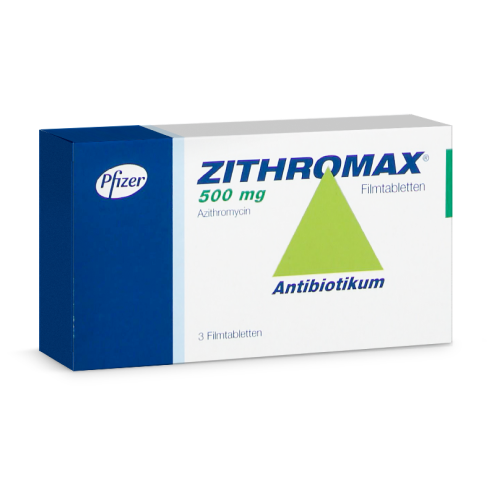
Does Zithromax Make Sense for Your Infection?
Not every infection is created equal, and neither is every antibiotic. Zithromax covers a broad range of bacteria but not all. Physicians in the United States lean on it for:
- Respiratory tract infections: Like bronchitis, community-acquired pneumonia, and some sinus infections.
- Strep throat: Especially for patients allergic to penicillin.
- Certain sexually transmitted infections: Such as chlamydia and, in some cases, gonorrhea (though resistance is now an issue for the latter).
- Some skin infections: When caused by susceptible bacteria.
Important: Zithromax does not treat viral infections (like cold, flu, COVID-19), and it shouldn’t be used for infections where other antibiotics work better or where bacteria are known to be resistant to azithromycin.
So how do you know if Zithromax is right for you? Your clinician weighs several factors: the type (and likely source) of your infection, local resistance patterns, your allergies, and even how likely you are to finish a longer course of pills. The “one size fits all” approach doesn’t work in antibiotics—and with Zithromax, it can be misleading.
For example, ear infections in children are rarely treated with Zithromax anymore, due to rising resistance. Some sinus and lung infections respond better to other drugs, depending on your medical history and community trends. That’s why a proper diagnosis—sometimes including swabs or cultures—matters as much as the prescription itself.
Azithromycin in Action: How Zithromax Works—And Why That Matters
Azithromycin, the core of Zithromax, gets inside bacteria and blocks their ability to make proteins. No protein, no new bacteria—so the infection grinds to a halt. But not all bacteria are equally vulnerable. Some, like certain strains of Streptococcus pneumoniae or Haemophilus influenzae, have become resistant—meaning Zithromax won’t work, no matter how strictly you follow your prescription.
- Antibiotic resistance
- Bacteria change over time to survive the antibiotics that used to kill them. This means an antibiotic might not work for you, even if it did for others in the past.
What’s unique about azithromycin compared to other antibiotics? Its half-life is long—it stays in your tissues, not just your blood, for days after the last dose. That’s why you don’t need to take it for a full week or more. For patients, this means fewer pills and greater chances of finishing the course—both important for real-world success.
Stat: Evidence shows over 60% of antibiotic failures are due to patients not finishing long courses. Zithromax’s short course is designed to help with that. (CDC)
However, that long presence also means side effects can stick around after you stop taking the pills. And it means resistance can develop if Zithromax is used too often in a community, especially for infections where another antibiotic would do.
Azithromycin’s mechanism means a short course, but it’s not always the best choice—especially where resistance is high or another drug is more targeted.
Zithromax vs. Other Antibiotics: The Practical Differences
| Attribute | Zithromax (Azithromycin) | Amoxicillin | Doxycycline |
|---|---|---|---|
| Active Ingredient | Azithromycin | Amoxicillin | Doxycycline |
| Main Uses | Sinusitis, bronchitis, pneumonia, strep, chlamydia | Ear, sinus, strep, some pneumonia, UTIs | Pneumonia, atypical infections, tick-borne diseases, acne |
| Prescription Status (U.S.) | Prescription Required | Prescription Required | Prescription Required |
| Dosing | Usually 3-5 days (short course) | Typically 7-10 days (longer course) | Varies: 5-14 days, sometimes longer |
| Tolerability | Generally well tolerated, GI upset common | Well tolerated, higher allergy risk | Sun sensitivity, GI upset |
| Notable Side Effects | GI upset, rare heart rhythm changes | Allergic reactions, GI upset | Photosensitivity, esophageal irritation |
| Major Contraindications | History of QT prolongation, severe liver disease | Penicillin allergy | Pregnancy, children <8 years |
| Cost (typical U.S. cash price) | $15–$50 (for a Z-Pak, uninsured) | $6–$20 (generic, uninsured) | $5–$30 (generic, uninsured) |
| Insurance Coverage | Usually covered, co-pay varies | Usually covered | Usually covered |
What does this mean for you? Zithromax is the “short course” specialist: if you’re likely to miss doses or hate taking pills, it’s a real advantage. The downside? For strep throat or sinus infections, amoxicillin may be more effective (if you’re not allergic). Doxycycline is sometimes preferred for certain pneumonias or “atypical” infections. Your doctor considers both your infection—and your personal risk factors—before choosing.
Clinical Tip: If you’re allergic to penicillins, Zithromax is often an alternative. But it’s not the fallback for every infection. Ask your physician why they chose it for you—and what they’re ruling out by doing so.
Antibiotic choice isn’t just about what “works best” in a petri dish. It’s about matching the right drug to your infection, your health, and real-world factors like cost, convenience, and your own medical story. That’s the lens your clinician uses—and now, so can you.
Taking Zithromax: Getting It Right
Zithromax’s reputation for convenience is well-earned, but that doesn’t mean the details are obvious. The classic “Z-Pak” dosing—two 250mg tablets on day one, then one a day for four more—is only one option. Sometimes, your doctor may prescribe a single higher dose (for STIs), or an extended course for certain lung infections.
| Indication | Typical Dose | Duration | Notes |
|---|---|---|---|
| Sinusitis, bronchitis, pneumonia | 500mg day 1, then 250mg days 2-5 | 5 days | Most common “Z-Pak” regimen |
| Chlamydia (uncomplicated) | 1g (1000mg) single dose | Once | All pills at once |
| Strep throat | 500mg day 1, then 250mg days 2-5 | 5 days | Alternative when penicillin allergy |
Take Zithromax with or without food—but if it upsets your stomach, try it after a light meal. If you miss a dose, don’t double up; just take the next dose as scheduled. Complete the full course, even if you feel better after a day or two—stopping early can let the infection come roaring back, and add to the resistance problem.
- Don’t share your Zithromax—finishing someone else’s antibiotics, or using leftovers, is never safe or effective.
- Alcohol doesn’t interact directly, but heavy drinking can stress your liver and worsen side effects.
- If you’re taking medications that affect your heart rhythm or have a history of arrhythmia, check with your prescriber—Zithromax can worsen QT prolongation.
How you take Zithromax shapes its effectiveness—and its risk. Ask your doctor if your dosing is “standard” or tailored for you, and be wary of shortcuts.
Which Side Effects Matter Most with Zithromax—And When to Act
Most people tolerate Zithromax well. Nausea, diarrhea, or a metallic taste are common—and usually mild. But some reactions, though rare, are serious enough that you shouldn’t wait to see if they pass.
Here’s what patients in the United States should watch for. Not every “side effect” is a reason to stop the drug—but some warrant calling your doctor or seeking help immediately.
| Side Effect | Frequency | When to Contact Your Doctor |
|---|---|---|
| Diarrhea, nausea, stomach pain | Common | If severe, bloody, or lasts more than 2 days |
| Headache | Occasional | If associated with fever, stiff neck, or confusion |
| Allergic rash, itching, swelling | Rare | Immediately, especially with breathing difficulty |
| Heart rhythm changes (QT prolongation) | Rare | If you feel palpitations, faint, or dizzy |
| Liver problems (yellowing of skin/eyes) | Very rare | Immediately |
| Severe diarrhea after course (C. diff) | Uncommon | If watery, persistent, or with fever |
Unlike some antibiotics, Zithromax rarely causes yeast infections or severe allergic reactions—but when it does, prompt action matters. If you have a history of heart arrhythmias or are taking medications that affect heart rhythm (like certain antidepressants or antiarrhythmics), Zithromax can increase the risk of dangerous QT prolongation. Don’t ignore palpitations or sudden dizziness—call your doctor.
Physician’s perspective: “We see patients call about mild stomach upset all the time—that’s usually nothing to worry about. But confusion about serious side effects is common. If you notice anything out of the ordinary—especially with your heart rhythm or yellowing of the skin—don’t wait. The risk is low, but the consequences are real.”
Most Zithromax side effects are mild and short-lived. Know the warning signs and act if they appear—they’re rare, but they matter.
When Not to Take Zithromax: Warnings You Can’t Ignore
Never take Zithromax if:
- You’ve had a severe allergic reaction to azithromycin or other macrolide antibiotics (like erythromycin or clarithromycin).
- You have a documented history of QT interval prolongation or are currently experiencing a serious heart rhythm disorder.
- Your liver is severely impaired or you have active, untreated liver disease.
- You are taking medications known to prolong the QT interval (many antiarrhythmics, some antipsychotics, and certain antidepressants).
- You have a personal or family history of arrhythmias, unexplained fainting, or sudden cardiac death.
- You are pregnant or breastfeeding—azithromycin is generally considered low-risk, but the decision is individualized.
- You have significant kidney disease (Zithromax is not usually dose-adjusted, but your doctor may monitor more closely).
- You have myasthenia gravis (can worsen muscle weakness).
Even if you don’t recognize yourself in these lists, always discuss your full medication and health history with your prescriber. Drug interactions and medical conditions matter more with antibiotics than most patients realize. Zithromax is safe for most—but not for everyone, and not for every situation.
Accessing Zithromax in the United States: Prescription, Cost, and Practical Realities
Zithromax is prescription-only in the United States. You can’t (legally) buy it over the counter or from unauthorised online sources—even if international websites claim otherwise. Your doctor or an approved telemedicine provider must write the prescription, which you then fill at a licensed pharmacy or, increasingly, through reputable U.S.-based mail-order services.
Pharmacy Tip: Generic azithromycin is identical in effectiveness and must meet the same U.S. Food and Drug Administration (FDA) standards as Zithromax. If cost is a concern, ask your pharmacist for the lowest-priced generic option.
- With insurance: Most plans cover azithromycin, but co-pays vary. Some plans require step therapy (trying a cheaper antibiotic first) for certain infections.
- No insurance: Prices vary, but most major pharmacy chains offer generics for $15–$50 per course. Discount programs or pharmacy coupons can lower this further.
- Mail order: Many insurers encourage mail-order pharmacies for convenience and, sometimes, cost savings. Only use U.S.-based services licensed by your state or by the NABP (VIPPS).
- Online “pharmacies” based outside the U.S. are risky—medications may be counterfeit, expired, or not meet safety standards. Stick with U.S.-regulated sources.
Always bring your current medication list and allergy information when seeking a prescription. If your infection is mild or possibly viral, your clinician may recommend watchful waiting or another approach instead of antibiotics—this is standard, not neglect.
What If Zithromax Doesn’t Work? Real-World Next Steps
You followed the plan—took every pill, waited the days, expected relief. But what if your symptoms linger, worsen, or flare up again?
- After 3-5 days: If you’re no better or feel worse, don’t start a leftover antibiotic or double your dose. Let your provider know. You may need a different drug, more testing, or another diagnosis entirely.
- Recurrence: Symptoms that return days or weeks later might signal a resistant bacteria, an incorrect diagnosis, or a new infection. Zithromax’s long half-life means repeat dosing is rarely helpful—or safe—without guidance.
- Persistent cough or sinus pain: Not all symptoms resolve immediately. A cough can linger even after the infection has cleared, especially in smokers or those with asthma.
Clinical Note: Do not reuse Zithromax prescribed for a previous infection or obtained for someone else. Each infection is different, and resistance or adverse effects can result.
Sometimes, an unchanged course means the infection wasn’t bacterial at all—or that local resistance made Zithromax ineffective. Your provider may switch you to a different antibiotic, order cultures, or check for complications. Don’t be discouraged: most “failures” are fixable with the right follow-up.
FAQ: Zithromax in Everyday Life
- Can I take Zithromax if I’m allergic to penicillin?
- Yes, azithromycin (Zithromax) is often used when patients have penicillin allergies. But inform your doctor about all medication allergies, since rare cross-reactions can occur.
- How soon will I feel better after starting Zithromax?
- Most people start to feel improvement within 2-3 days, but the full effect depends on the infection. Complete the entire course even if you feel better sooner.
- Is it safe to take Zithromax with my other medications?
- In most cases, yes—but be extra cautious if you take drugs that affect heart rhythm, like some antidepressants, antipsychotics, or antiarrhythmics. Discuss your full medication list with your doctor or pharmacist to prevent interactions.
- Can I drink alcohol while taking Zithromax?
- Alcohol doesn’t directly interact with Zithromax, but it can increase stomach upset and stress your liver. Moderate consumption is generally safe, but heavy drinking is best avoided during your course.
- What should I do if I miss a dose?
- Take the missed dose as soon as you remember, unless it’s almost time for the next dose. Don’t double up. Missing a single dose in a short course won’t usually affect results, but consistency is best.
- Why am I being told not to use antibiotics for my cold or flu?
- Colds and flu are caused by viruses, not bacteria, so antibiotics like Zithromax won’t help and can cause harm—side effects, resistance, and unnecessary costs. Your doctor is following best practice, not withholding treatment.
- How do I dispose of unused Zithromax?
- Don’t flush or toss antibiotics in the trash. Many pharmacies participate in medication take-back programs. Ask your pharmacist or check the FDA’s website for disposal options in your area.
- Is it safe to give Zithromax to children?
- Zithromax is approved for use in children for some infections. However, dosing and appropriateness depend on the child’s age, weight, and specific infection. Always follow your pediatrician’s advice.
Sources & References
- Zithromax (azithromycin) Prescribing Information, Pfizer, 2022
- U.S. Food & Drug Administration (FDA)
- CDC: Antibiotic Use in the United States
- PubMed
- Mayo Clinic: Azithromycin (Oral Route)
- Infectious Diseases Society of America: Antibiotic Resistance Guidelines
- NHS: Azithromycin
- World Health Organization: Antibiotic Resistance

