Subtotal $0.00

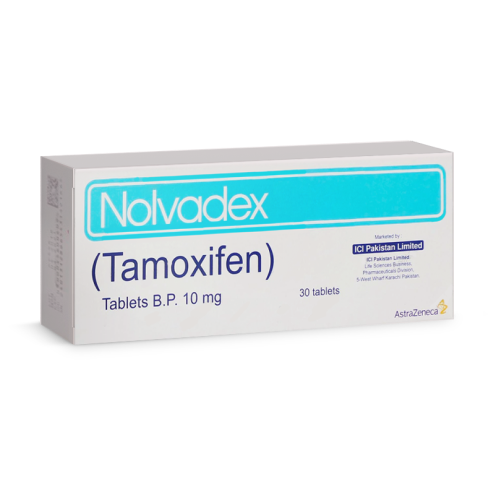
Is Nolvadex the Right Fit? Thinking Through Your First Major Breast Cancer Treatment Decision
“Do I really need to take Nolvadex?” Many patients wrestle with this question as soon as their oncologist brings up hormone therapy. The answer isn’t one-size-fits-all. For some, Nolvadex is a no-brainer—an obvious cornerstone of care. For others, especially those navigating complex medical histories or weighing side effects against benefits, the choice is less clear. The critical point isn’t just what the guidelines say, but how this medication fits your unique diagnosis, goals, and life.
- If your breast cancer tests positive for estrogen receptors (ER+), Nolvadex often becomes a central part of your treatment—sometimes after surgery, sometimes after chemotherapy, sometimes as the main event.
- For premenopausal women, Nolvadex is usually the first-line hormonal therapy. For men with ER+ breast cancer, it is also a standard choice.
- Postmenopausal women may have more options, with aromatase inhibitors (AIs) often preferred, but Nolvadex remains a key tool, especially if AIs aren’t tolerated or appropriate.
Nolvadex is only part of the story. Deciding if it’s your story requires weighing medical facts against your own values, risk tolerance, and real-world concerns about daily living.
Every patient brings a different set of priorities to the table. Some want the absolute lowest risk of recurrence, regardless of side effects. Others want to minimize disruption to their daily routine. And some want to avoid certain risks—like blood clots—that feel particularly personal. This is where a thoughtful, individualized conversation with your oncologist makes all the difference.
How Nolvadex Changes the Story for Breast Cancer Patients
Surviving breast cancer is no longer just about beating the odds. For most people with ER+ breast cancer in the United States, the years after diagnosis are shaped not by chemotherapy side effects, but by the daily routine of taking medications like Nolvadex.
Stat: Nolvadex has been shown to reduce the risk of breast cancer recurrence by up to 50% in certain groups of patients with ER+ breast cancer, according to major U.S. clinical guidelines (National Cancer Institute).
What does that mean in real life? It means that, for many, Nolvadex represents hope for a future where cancer is less likely to return—and where treatment is measured in months and years, not days in the infusion suite. But hope comes with trade-offs. Hot flashes, mood shifts, and other side effects can be persistent. Adherence—taking Nolvadex every day as prescribed—becomes the new challenge.
- Adherence
- Missing doses reduces effectiveness. For every 10% drop in adherence, some studies suggest a meaningful increase in recurrence risk.
- Duration
- Standard treatment is 5 years, but for some, extending to 10 years may reduce risk further. This is always a judgment call, not a rule.
Not every breast cancer patient in the U.S. is offered Nolvadex. Some receive AIs, especially after menopause. For those who do begin Nolvadex, the treatment experience is often less physically intense than chemotherapy, but more psychologically demanding—because it stretches over years.
Nolvadex vs. Other Breast Cancer Medications: What’s the Real Difference?
“Why Nolvadex and not something else?” That’s a question patients ask more often than clinicians sometimes realize. At first glance, tamoxifen and its alternatives might seem interchangeable. In reality, the differences run deeper—touching everything from age to side effect profile, insurance coverage, and how each drug fits into your daily schedule.
| Medication | Active Ingredient | Who Is It For? | Effectiveness Evidence | Common Side Effects | Serious Risks | Prescription Status |
|---|---|---|---|---|---|---|
| Nolvadex | Tamoxifen | Premenopausal women, men, some postmenopausal women intolerant of AIs | Strong evidence for recurrence reduction in ER+ breast cancer, especially premenopause | Hot flashes, vaginal discharge, menstrual irregularity | Rare: blood clots, uterine cancer (usually in women over 50) | Prescription only (U.S. FDA approved) |
| Arimidex | Anastrozole | Postmenopausal women | Superior to tamoxifen in some postmenopausal studies | Joint pain, bone thinning, hot flashes | Rare: bone fractures, heart disease risk | Prescription only |
| Femara | Letrozole | Postmenopausal women | Similar to anastrozole; may be used for extended therapy | Joint pain, fatigue, hot flashes | Bone loss, cholesterol changes | Prescription only |
| Faslodex | Fulvestrant | Advanced/metastatic, postmenopausal | Used after progression on other endocrine therapies | Injection site pain, nausea, fatigue | Liver changes, bleeding risk | Prescription only |
This table tells only part of the story. In practice, the decision is shaped by your age, menopausal status, medical history, insurance, and—crucially—what side effects you’re willing to accept. For many premenopausal women and men, Nolvadex is the default. Postmenopausal women might start on an AI, but may switch to Nolvadex if joint pain or bone loss becomes limiting. And while all of these medications require a prescription in the United States, the details of insurance coverage and pharmacy availability sometimes tip the scale one way or the other.
Starting Nolvadex: What You Really Need to Know
No one expects to be told they’ll be taking a pill for cancer every day for five or ten years. When the focus shifts from surgery or chemotherapy to “maintenance” with Nolvadex, the emotional terrain changes. The medication looks ordinary—a small tablet—but the commitment it represents is anything but.
Many patients assume that if they don’t feel side effects, Nolvadex must not be working. In reality, the absence of symptoms is normal for many people—and a sign that your body is tolerating the medication well, not that it’s ineffective.
Here is what usually matters most in the first weeks:
- Timing: Take Nolvadex at the same time every day. Creating a habit—like keeping the bottle near your toothbrush—can help.
- Food: You can take Nolvadex with or without food. If you feel nauseated, try it with a meal.
- Interactions: Some medications, especially certain antidepressants (SSRIs like paroxetine and fluoxetine), can reduce the effectiveness of tamoxifen. Always tell your doctor and pharmacist about every medication and supplement you take.
- Alcohol: Moderate consumption is not strictly forbidden, but heavy drinking may increase liver risks. Discuss with your care team if you have concerns.
- Missed Dose: If you miss a dose, take it as soon as you remember—unless it’s almost time for the next dose. Don’t double up.
Selective Estrogen Receptor Modulator (SERM): Nolvadex is part of this class, which means it blocks estrogen in breast tissue but can act like estrogen in other tissues (such as bone and uterus). This is why some side effects are unique to Nolvadex.
What happens if you accidentally skip a few days, or if you start weeks after surgery? Most of the time, a short delay does not ruin your outcome, but consistent daily use over years is what delivers long-term benefit. Never stop or restart Nolvadex without talking to your doctor—abrupt changes can sometimes trigger symptoms or affect effectiveness.
Daily Life with Nolvadex: What Gets Easier, What Gets Harder
As the weeks pass, Nolvadex becomes less about treatment and more about routine. For many, this transition is strangely anticlimactic—no IV drips, no weekly blood draws, just a pill and a calendar. But daily life does shift in small, sometimes unpredictable ways.
- Energy: Most people find that Nolvadex does not cause dramatic fatigue. Subtle changes—more tiredness after a long day, or occasional trouble sleeping—are more common than profound exhaustion.
- Sexual Health: Vaginal dryness or discomfort during intercourse can develop, especially in premenopausal women. Open communication with your doctor is key; solutions and therapies exist, but many patients never bring it up.
- Mood: Some users report mood swings, irritability, or mild depression. Whether this is due to Nolvadex, the cancer journey itself, or both, is often hard to untangle. Tracking your mood and sharing changes with your care team can help you get support early.
- Memory and Focus: Cognitive side effects—what some call “chemo brain”—are much less common with Nolvadex than with chemotherapy. But some people do notice subtle shifts in memory or focus, usually reversible after stopping the drug.
Tip: Link Nolvadex to a daily activity you never skip—like breakfast or brushing your teeth. Consistency turns the medication from an intrusion into a habit.
When it comes to work, travel, and family, Nolvadex is usually easier to fit into regular life than other forms of cancer treatment. But because it’s a long game, the real challenge is not in the taking—but in the keeping. Support groups, digital reminders, and honest conversations with your care team all play a role in long-term success.
Which Side Effects Matter Most with Nolvadex—and When to Act
No two patients experience Nolvadex the same way. Some glide through years of therapy with only passing hot flashes; others face challenges that require medication changes or even early discontinuation. Knowing what’s normal, what’s tolerable, and what’s a red flag is crucial for peace of mind and safety.
Stat: About 80% of patients will experience at least one side effect, but fewer than 10% need to stop Nolvadex because of side effects (Mayo Clinic).
Common and Manageable
- Hot flashes: Often the first and most persistent symptom. Cooling strategies, layered clothing, and sometimes non-hormonal medications help.
- Vaginal symptoms: Dryness, discharge, or mild irritation. Lubricants and some prescription therapies can make a difference.
- Menstrual changes (if premenopausal): Irregular periods or amenorrhea are common and usually not a cause for concern.
- Minor muscle cramps and leg discomfort: Not dangerous, but worth mentioning to your doctor if persistent.
Less Common, But Serious
- Blood clots (deep vein thrombosis, pulmonary embolism): These are rare but serious. Sudden leg swelling, shortness of breath, or chest pain require immediate medical attention.
- Uterine cancer: This risk is mainly in women over 50 or those who take Nolvadex for more than five years. Report any vaginal bleeding not related to your cycle.
- Vision changes: Blurred vision or floaters can signal rare complications with the eyes. Report changes promptly.
- Liver changes: Rare, but routine blood tests may detect problems early.
Clinical voice: “In practice, most patients are far more worried about side effects than the statistics would suggest. We spend as much time talking people through their first hot flash or leg cramp as we do discussing recurrence risk. If anything feels off, call us. Most problems are manageable—don’t wait until they’re serious to speak up.”
— Breast cancer medical oncologist
| Side Effect | How Often | When to Contact a Doctor |
|---|---|---|
| Hot flashes | Very common (up to 80%) | If severe, persistent, or affecting quality of life |
| Vaginal discharge/bleeding | Common (20-30%) | If bleeding is new, heavy, or postmenopausal |
| Blood clots (DVT/PE) | Rare (<2%) | Immediately if leg swelling, chest pain, or breathing changes occur |
| Uterine cancer | Rare (<1%) | If any abnormal vaginal bleeding or pelvic pain develops |
| Vision changes | Uncommon (<1%) | Promptly if blurred vision or floaters are noticed |
| Liver changes | Rare (<1%) | If jaundice, dark urine, or unexpected fatigue |
Most side effects are manageable with support and do not mean you need to stop Nolvadex. Anything that feels new, severe, or frightening deserves a conversation—preferably sooner rather than later. If you’ve been told your risk of blood clots is higher (due to smoking, obesity, or past history), be especially vigilant about leg swelling and sudden shortness of breath.
When Not to Take Nolvadex: Absolute and Relative Contraindications
Absolute contraindications:
- History of deep vein thrombosis (DVT) or pulmonary embolism (PE) not related to a known temporary cause. Nolvadex can increase clot risk—if you’ve had one, alternatives are usually safer.
- Known allergy to tamoxifen or any component of the tablet. This is rare but absolute.
- Current use in pregnancy or during breastfeeding. Nolvadex is not safe for fetal development and is not recommended when nursing.
- Inherited blood clotting disorders (such as Factor V Leiden or Protein C/S deficiency). Risk may still outweigh benefit, but careful risk-benefit discussion is essential.
- History of uterine cancer or significant endometrial hyperplasia. Tamoxifen may increase the risk of recurrence or new uterine cancers.
- Active liver disease. Metabolism of tamoxifen involves the liver, and impaired function can alter safety and effectiveness.
- Concomitant use of certain medications that block CYP2D6 (such as paroxetine or fluoxetine). These may make Nolvadex less effective.
Never stop or avoid starting Nolvadex without discussing these risks with your oncologist. There are often alternative strategies in breast cancer therapy.
Sometimes, the biggest risk comes from not treating the cancer at all. In most cases, an individualized discussion with your cancer care team is the best way to balance risks and benefits—especially if your health history includes any of the above.
Getting Nolvadex in the United States: Cost, Insurance & Access
Even after you and your doctor decide Nolvadex is right, the U.S. healthcare system serves up its own set of obstacles and surprises. Most patients receive a prescription from an oncologist or, occasionally, a primary care provider familiar with their case. But what happens next is rarely discussed in the exam room.
- Pharmacy Access: Nolvadex (tamoxifen) is available at nearly all retail and mail-order pharmacies in the United States. Some pharmacies may stock the generic only, but the active ingredient is the same.
- Insurance Coverage: Most private health plans, Medicare Part D, and Medicaid cover generic tamoxifen with a copay. Out-of-pocket costs for uninsured patients can range from $10 to $150 per month, but manufacturer coupons and patient assistance programs are available (FDA).
- Brand vs. Generic: Generic tamoxifen is therapeutically equivalent to Nolvadex. There may be differences in pill color, shape, or fillers, but the effectiveness and safety are the same. In rare cases, patients sensitive to certain fillers may request brand-name Nolvadex, but insurers may not cover the extra cost without medical justification.
- Online Pharmacies: Legitimate U.S.-based online pharmacies require a valid prescription. Avoid sites that offer tamoxifen without a prescription—these are not legal in the United States and may not provide authentic medication.
Tip: If your insurance denies coverage for Nolvadex or charges a high copay, ask your oncologist’s office for help. Prior authorizations and appeals often succeed, and many pharmaceutical companies offer copay assistance or free medication for qualifying patients.
Refills can usually be obtained for one to three months at a time. If you plan to travel or move, let your pharmacist know—you may be able to get an advance supply. And if you’re ever worried about affording your medication, start the conversation with your care team early. Options exist. No one should have to skip breast cancer therapy because of cost.
Frequently Asked Questions: Real Answers for Patients in the United States
- Does Nolvadex actually prevent breast cancer from coming back?
- For women and men with ER+ breast cancer, Nolvadex significantly lowers the risk of recurrence when taken as prescribed. The benefit is greatest when therapy is started soon after other treatments and continued for at least five years.
- How long will I have to take Nolvadex?
- Most patients take Nolvadex for 5 years, but some are advised to continue up to 10 years depending on risk and tolerance. Your oncologist will help you decide the right duration for your situation.
- What if I can’t tolerate the side effects?
- Many side effects improve with time or with supportive treatments. If symptoms are severe or do not improve, talk to your doctor—alternatives exist, and stopping therapy without medical advice is not recommended.
- Can I take Nolvadex with my antidepressant?
- Some antidepressants (like paroxetine and fluoxetine) can interfere with the way tamoxifen works in the body. Be sure to tell your doctor and pharmacist about all medications so they can select the safest combination for you.
- Is there a difference between Nolvadex and generic tamoxifen?
- No meaningful difference in effectiveness or safety exists between brand-name Nolvadex and FDA-approved generic tamoxifen. Some patients notice a difference in pill appearance or feel, but these do not affect how the medication works.
- What should I do if I miss a dose?
- If you miss a dose, take it as soon as you remember unless it’s almost time for your next dose. Never double up. Consistency matters, but an occasional missed pill does not erase the benefit of long-term therapy.
- Can Nolvadex be used to prevent breast cancer?
- In certain high-risk women, Nolvadex may be used to lower the risk of developing breast cancer—this is called “chemoprevention.” The decision is highly individualized and should be discussed with a specialist.
- How soon will I know if Nolvadex is working?
- Nolvadex does not produce immediate, visible effects. Success is measured in reduced risk of recurrence over years, not in daily symptoms or lab values. Regular follow-up with your oncology team is the best way to track your progress.
References
- U.S. Food and Drug Administration (FDA)
- National Cancer Institute – Breast Cancer Treatment (PDQ®)
- “NCCN Clinical Practice Guidelines in Oncology: Breast Cancer,” National Comprehensive Cancer Network, 2023
- PubMed – Tamoxifen and Breast Cancer: Review of Clinical Trials
- Mayo Clinic – Tamoxifen (Oral Route) Side Effects
- American Cancer Society – Hormone Therapy for Breast Cancer
- “Prescribing Information: Nolvadex (tamoxifen citrate) Tablets,” AstraZeneca Pharmaceuticals
- Breastcancer.org – Tamoxifen

