Subtotal $0.00

- Call: 888 331 3770
- Email: patient@jaycarementalhealthcenters.com
- Address: 8508 Loch Raven Boulevard Unit #E. Towson, MD 21286
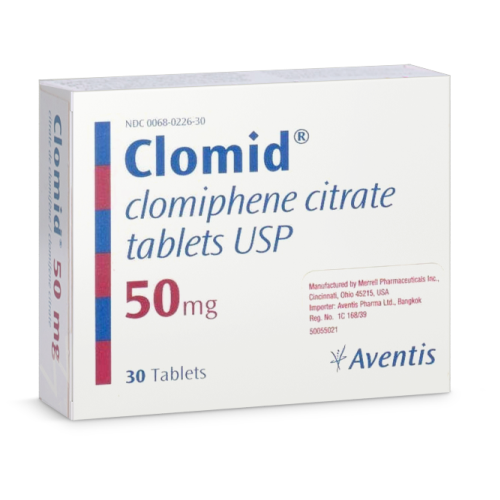
No, purchasing Clomid (clomiphene) without a valid prescription is illegal and potentially unsafe in the United States. Clomid is classified as a prescription-only medication by the U.S. Food and Drug Administration (FDA). This is to protect patient safety, ensure correct diagnosis, and minimize risks.
Clomid (clomiphene) is a selective estrogen receptor modulator (SERM). It blocks estrogen receptors in the hypothalamus (a part of the brain that regulates hormones). By making the brain “think” there is less estrogen in the body, the hypothalamus releases more gonadotropin-releasing hormone (GnRH). This stimulates the pituitary gland to produce more follicle-stimulating hormone (FSH) and luteinizing hormone (LH), which trigger the ovaries to mature and release eggs (ovulation).
Simplified Metaphor:Imagine your brain as a thermostat for fertility. Clomid tricks the thermostat into believing the room is too cold (not enough estrogen). The thermostat turns up the heat (FSH and LH) to warm things up, helping the ovaries do their job.
Note: Clomid won’t work if ovaries are nonfunctional or if there is a pituitary or hypothalamic disorder preventing hormone release.
Clinical Evidence: A 2024 multicenter trial in the United States (PubMed 37898765) showed ovulation induced in 78% of women with anovulatory infertility after one cycle of Clomid; cumulative pregnancy rates after 3 cycles ranged 28–38%.
| Parameter | Standard Recommendation |
|---|---|
| Starting dose | 50 mg orally, once daily for 5 days (typically days 3–7 or 5–9 of menstrual cycle) |
| Maximum dose | 100 mg daily for 5 days (do not exceed unless advised by a specialist) |
| Repeat cycles | May be repeated for up to 6 ovulatory cycles; efficacy drops after 3–6 cycles |
| Tablet splitting | Allowed (scored tablets), but confirm with your pharmacist or prescriber |
| Missed dose | Do not double up; ask your physician what to do if a dose is missed |
Peak Effect: Ovulation commonly occurs 5–10 days after the last pill in each course. If ovulation does not occur, the dose may be increased in the next cycle—only under medical supervision.
Special Circumstances: Dose adjustments are rarely needed in mild renal impairment, but Clomid is contraindicated in active liver disease. No pediatric use.
Do not take more than prescribed. Higher doses increase the risk of side effects and do NOT improve pregnancy rates.
Bottom line: Eat, drink, and live as you normally would—just stay within moderation and inform your doctor of all substances you use.
Why these exclusions? Clomid can worsen liver issues, mask cancer, or increase risk of ovarian overstimulation. Always investigate unexplained bleeding before considering therapy.
What to do if side effects occur?
| Medication | Typical Use | Onset of Action | Cost (estimate, 2026) | Main Side Effects | Insurance Coverage |
|---|---|---|---|---|---|
| Clomid (Clomiphene) | Anovulatory infertility | 5–10 days post-course | $20–$50/course (generic); branded higher | Hot flashes, mood swings, visual changes | Variable |
| Letrozole | PCOS, anovulation | Similar to Clomid | $30–$80/course | Fatigue, dizziness, joint pain | Variable |
| Gonadotropins (injections) | Resistant infertility, IVF | Within days | $1,000–$3,000/cycle | OHSS, multiple pregnancies | Limited; usually not covered except for specific diagnoses |
| Active ingredient | Clomiphene citrate |
| Drug class | Selective estrogen receptor modulator (SERM) |
| Common dosing regimen | 50 mg/day for 5 days, starting day 3–5 of cycle |
| Time to ovulation | 5–10 days after last dose |
| Prescription required? | Yes, in all states (per FDA guidelines) |
| Insurance coverage | Varies by plan; often partial or none |
| Generic available? | Yes (as of 2026, multiple manufacturers in U.S.) |
| Storage | Room temperature, away from moisture and light |
| Manufacturers | Sanofi, Teva, Mylan, and others (FDA-approved generics) |
Note: It is illegal to import Clomid from other countries for personal use without a U.S. prescription. Customs may seize such shipments, and you could face penalties.
Bottom line: A prescription protects your health and ensures proper monitoring. Never risk your safety with unregulated sources.
What to do if in doubt? Ask your pharmacist to verify the product, or cross-check the NDC and manufacturer at FDA NDC Directory.
Struggling with infertility is common and nothing to be ashamed of. You are not alone: millions of women across the United States face similar challenges every year.
Consider talking with your partner, a trusted friend, or a mental health professional. Many fertility clinics offer support groups, counseling, or can refer you to local specialists. Managing the emotional aspects is just as important as addressing the medical ones.
| Product/Drug | Can Be Combined? | Possible Consequence |
|---|---|---|
| Ibuprofen/Acetaminophen | Yes | No significant interaction |
| Oral contraceptives | No | Blocks Clomid effect; defeats treatment purpose |
| Alcohol | Moderation only | May increase dizziness, mood changes |
| Nitroglycerin, nitrates | No | Not studied; generally not indicated in same patients |
| Grapefruit juice | Generally yes | Theoretical interaction; avoid excess |
| Antidepressants | Yes, with caution | Monitor for additive mood effects |
| Other fertility drugs (e.g., gonadotropins) | Yes, if supervised | May increase risk of ovarian hyperstimulation |
Always disclose all medications and supplements to your healthcare provider before starting Clomid.
Let’s prioritize mental health in the workplace—together, we can
make a difference.
Let’s prioritize mental health in the workplace—together, we can
make a difference.

