Subtotal $0.00

- Call: 888 331 3770
- Email: patient@jaycarementalhealthcenters.com
- Address: 8508 Loch Raven Boulevard Unit #E. Towson, MD 21286
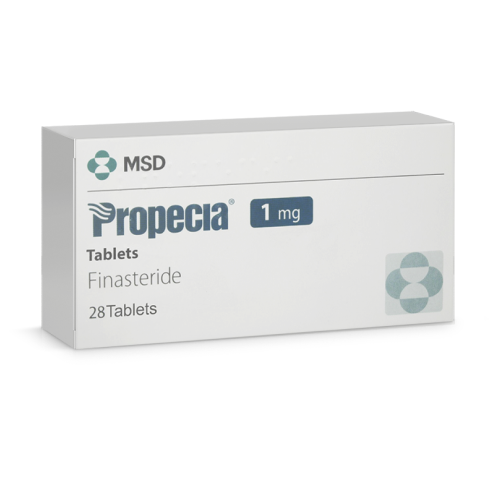
| Brand Name | Propecia |
|---|---|
| Main Substance | Finasteride |
| Treatment Purpose | Male pattern hair loss (androgenetic alopecia) |
| Strength Options | 1 mg tablets |
| When Benefits Appear | Visible results typically after 3 to 6 months of daily use |
| How Long Effects Last | Effect maintained while medication is continued |
| How to Take | Once-daily oral tablet |
| Prescription Needed in the U.S. | Yes, by law |
| Usual Price Range (U.S.) | $60–$90 per month (brand); $10–$40 (generic) |
Propecia, containing the active ingredient finasteride, is an FDA-approved medication for treating male pattern hair loss in the United States. It is legally available with a prescription from licensed healthcare providers across the country. Understanding how it works, who it suits, and what to expect is essential before making a decision.
Feeling concerned about hair thinning or receding hairlines is a familiar experience for millions of men across the United States. According to the American Academy of Dermatology Association (AADA), approximately 50 million men in the U.S. are affected by male pattern baldness (AADA, 2023). Far from being an isolated issue, androgenetic alopecia is the most frequent cause of hair loss among men. The good news is that medical solutions exist, and proven therapies are accessible with professional guidance. Recognizing that you are part of a broad community facing the same challenge can make the first steps toward treatment less daunting.
Propecia addresses the underlying cause of most male hair loss—sensitivity to the hormone dihydrotestosterone (DHT). DHT is formed from testosterone by the enzyme 5-alpha-reductase. In men genetically susceptible, DHT causes hair follicles on the scalp to shrink gradually, leading to thinner, shorter hair and, eventually, bald areas.
For the user, this means less hair shedding, and for many, a gradual improvement in hair density. If discontinued, DHT returns to prior levels, and any benefits are lost within 9–12 months. According to the FDA, Propecia is effective in most men with mild to moderate hair loss, but individual responses vary (FDA, 2023).
| Your Situation | Recommended Option | Why This Applies |
|---|---|---|
| Man aged 25–45, noticing a receding hairline or thinning at the crown, no significant medical issues. | Propecia 1 mg daily | This group sees the most benefit, as the medication works best before advanced hair loss. |
| Experiencing rapid, patchy hair loss, or hair loss accompanied by itching, redness, or pain. | Consult a dermatologist first; Propecia not appropriate | These symptoms suggest other causes (e.g., alopecia areata, scalp disease) where finasteride is ineffective. |
| Currently taking medications for prostate conditions (e.g., finasteride 5 mg daily for BPH). | No additional Propecia needed | Higher-dose finasteride already blocks DHT; further dosing does not improve hair outcomes and may increase side effects. |
| Women with hair loss, or men under 18 years old. | Do not use Propecia | Finasteride is not approved or effective for these groups and may pose risks (especially in pregnancy). |
Discuss your specific case with a healthcare provider who can help review your medical history, expectations, and any potential contraindications. Not every form of hair loss responds to Propecia, and individual needs matter in making the best choice.
Propecia is taken as a single 1 mg tablet daily, with or without food, and should be taken at the same time each day to keep steady drug levels. Most men integrate it into their morning or bedtime routine. Consistency is crucial—missing doses occasionally does not drastically reduce effectiveness, but frequent missed doses may lessen results.
For best results, combine treatment with gentle hair care and a balanced diet. There’s no benefit to increasing the dose: 1 mg is as effective as higher doses for hair loss and carries fewer risks.
Contraindications should be reviewed with a provider, especially if you have complex medical conditions or take multiple medications.
Most users tolerate Propecia well, but some side effects can occur. The majority are mild and reversible upon stopping. According to the FDA and prescribing information, most side effects are rare (affecting fewer than 2% of users), but awareness is important.
If you experience persistent sexual side effects, mood changes, or any symptom that worries you, discuss with your provider. Most effects resolve with time or after stopping the medication, but ongoing symptoms warrant evaluation.
Finasteride generally has a low risk of interactions, but caution is always warranted. It does not significantly affect common enzyme systems (CYP450), so most routine medications for blood pressure, cholesterol, or diabetes can be continued. However:
Always inform your healthcare provider about all prescription, over-the-counter, or herbal products you use. This helps prevent rare but possible interactions.
| Option | Mechanism | Effectiveness | Who It Suits Best | Limitations |
|---|---|---|---|---|
| Propecia (finasteride 1 mg) | Reduces DHT production | Effective in most men with mild-to-moderate pattern hair loss (FDA, 2023) | Men 18–50 with early to moderate male pattern baldness | Ineffective for non-DHT hair loss; possible sexual side effects |
| Minoxidil (topical solution or foam) | Improves blood supply to hair follicles | Modest regrowth; works in both sexes | Those preferring a non-oral, over-the-counter option | Daily application needed; less effective as monotherapy in advanced loss |
| Dutasteride (off-label for hair loss in U.S.) | Blocks both type I and II 5-alpha-reductase | Potentially greater DHT suppression; not FDA-approved for alopecia | Men who do not respond to finasteride and are monitored by a physician | Not officially approved for this use; higher side effect risk |
| Hair Transplant Surgery | Physically moves hair to balding areas | Permanent, most noticeable results | Men with stable, well-defined bald areas | Costly, surgical risks, requires donor hair |
No single therapy is best for everyone. Propecia is a first-line option for most men with early to moderate male pattern hair loss, but some may benefit more from combining it with minoxidil or considering other interventions if results are insufficient. Consulting a specialist helps tailor the approach to individual needs.
| Cost Component | Amount | Comments |
|---|---|---|
| Physician consultation (in-person or telemedicine) | $50–$150 | Initial visit; price varies by provider and insurance |
| Prescription charge (if not included in consult) | $0–$25 | Some telehealth services include this for free |
| Propecia (brand name, 1 mg x 30 tablets) | $60–$90 per month | Retail pharmacy price; may be lower with insurance or coupons |
| Finasteride (generic, 1 mg x 30 tablets) | $10–$40 per month | Price varies by pharmacy and location |
| Shipping (for online/telemedicine) | $0–$15 | Standard delivery; some services offer free shipping |
| Total (first month) | $60–$280 | Depends on generic/brand, consultation, delivery |
| Total (subsequent months) | $10–$90 | Ongoing monthly medication cost |
Shopping around—online pharmacies, discount programs, or using generic finasteride—can significantly lower costs. U.S. law requires a prescription, but many telemedicine services streamline the process. Always use licensed pharmacies to avoid counterfeit risks.
If you decide to stop Propecia, hair loss typically resumes to its prior rate within several months, and any regrown hair may be lost over the next 9–12 months. There is no “rebound” loss beyond what would have occurred without treatment. If you want to switch therapies (for example, to minoxidil or consider surgery), it is safe to do so after discussing your plan with your provider. There is no required “washout” period when transitioning between most approved hair loss medications, but individualized advice is always best.
Let’s prioritize mental health in the workplace—together, we can
make a difference.
Let’s prioritize mental health in the workplace—together, we can
make a difference.

